Defra must act as disruptions caused by extreme weather, cyber attacks and disease pose growing risk
The government must do more to respond to food supply chain disruptions in the UK, according to a new report from public spending watchdog, the National Audit Office (NAO).
As extreme weather events, cyber attacks and disease pose growing risks to the UK’s food supplies, Defra has done too little in recent years to encourage businesses, households and communities to prepare, the report found.
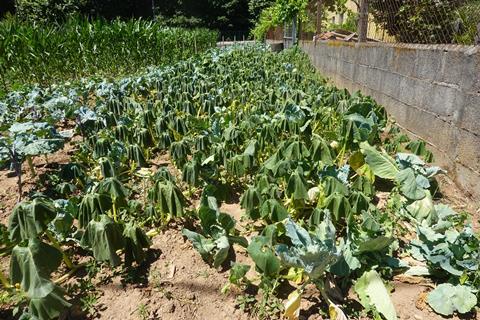
Britain relies on international imports for roughly 80 per cent of its fruit and 45 of its vegetables, leaving it vulnerable to supply chain disruptions. In July FPJ reported a shortage of cucumbers due to extreme heat across Europe and North Africa.
UK households are also less prepared for emergencies compared with several other countries, according to government research.
Gareth Davies, head of the NAO, said: “Recent disruptions have shown the resilience of the UK’s food supply chain, but risks are increasing in likelihood and severity.
“Defra should learn from approaches taken in other countries, and strengthen preparedness for emergencies by testing plans with local government and industry,” he added.
The research emphasised that Defra had taken some positive steps, such as expanding its Food Supply Chain Resilience team.
However, food supply chain businesses told the watchdog that Defra had engaged with them less frequently since the pandemic.
Moreover, the last national scenario exercise to test Defra’s preparedness for catastrophic events that would severely disrupt food supply took place in 2023.
This exercise largely excluded food supply chain businesses, as some indicated they would welcome inclusion in future exercises.
To increase resilience, the report found changing Defra’s approach to engaging with food supply businesses, assessing the use of approaches used in other sectors and countries, and reviewing its response plans would be key.
It also recommended a review of Defra’s current legal powers to respond to a catastrophic event, and encouraged collaboration with the Cabinet Office to help households and communities prepare.