Food Foundation hails “world-leading milestone” in efforts to protect children from obesity
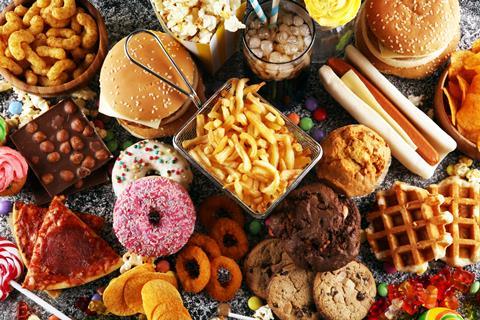
The government has introduced new restrictions on junk food adverts on TV and online in a bid to tackle childhood obesity.
The UK-wide ban prevents food and drinks high in fat, salt and sugar (HFSS) from being advertised on TV before 9pm or at any time online.
It applies to products considered the biggest causes of childhood obesity, including soft drinks, chocolates and sweets, ice creams and pizza.
The ban also covers some breakfast cereals and porridges, sweetened bread products, main meals and sandwiches. And it is hoped that the move could instead offer opportunities to boost sales of fruit and vegetables to families.
The Food and Drink Federation (FDF) said it is committed to helping people eat healthily and has been adhering to the new restrictions voluntarily since October.
A scoring tool is used to decide which products are affected by the ban, balancing nutrient levels against levels of saturated fat, salt or sugar.
The government hopes that since manufacturers can still promote healthier versions of banned products, the changes will encourage companies to develop healthier recipes.
Reacting to the introduction of the new rules, The Food Federation’s executive director Anna Taylor said: “Today marks a big, world-leading milestone on the journey to protect children from being exposed to the onslaught of junk food advertising which is currently so harmful to their health. But let’s not forget it took more than seven years from when it was first announced to coming into force.
“In the meantime, companies are switching tactics and switching channels to reach children in different ways. Our data shows that spending on outdoor advertising increased by 28 per cent between 2021 and 2024 and the legislation permits companies to switch from product advertising to brand advertising which is likely to significantly weaken its impact.
“We can’t stop here; we must remain focused on the goal: banning all forms of junk food advertising to children. And we must create a policy process which can be more responsive to industry tactics and less vulnerable to industry lobbying.”
NHS data shows that 9.2 per cent of reception-aged children are classified as obese, while one in five have tooth decay by the age of five. Obesity is estimated to cost the NHS more than £11 billion a year.