The Food Foundation says the UK’s reliance on imports makes it vulnerable to supply disruptions and price spikes
The UK’s failure to invest in domestic horticulture has left it reliant on fruit and vegetables imported from countries more vulnerable to climate change, according to a new report from The Food Foundation.
As a result, the UK is particularly vulnerable to price food shocks such as climate change, geopolitical instability and volatile global markets, the foundation said.
The UK currently imports 80 per cent of its fruit, and 47 per cent of its vegetables, one of the lowest food self-sufficiency ratios among large western European countries.
The foundation also said 18 of the top 20 countries the UK imports fruit and vegetables from are moderately to severely vulnerable to climate change.
The findings come as continued extreme heat across import countries has disrupted UK supply. Last month, FPJ reported a cucumber shortage in the UK caused by extreme heat across Europe and North Africa.
The Intergovernmental Panel on Climate Change (IPCC) forecast that higher temperatures will lead to yield losses, heat dress and quality drops in global fresh produce if no action was taken to improve resilience.
Anna Taylor, executive director at The Food Foundation, said: “Whilst the UK has been experiencing successive heatwaves and drought across much of the country, it is important to acknowledge that most of the countries we import our staple, healthy foods from are in an even more vulnerable position as we see the impacts of climate change ramp up across the globe.
“There is a risk this will drive up prices in the future, putting nutritious foods further out of reach for many, so it is important the government takes action now to prevent this from happening,” she added.
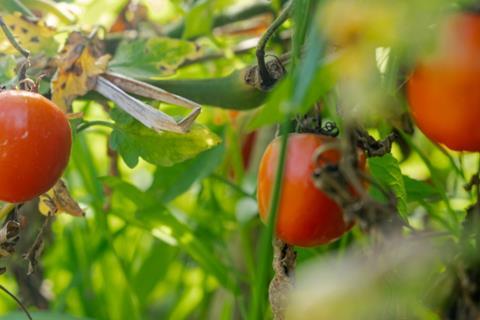
The foundation said that five of the UK’s nine most purchased fruits (apples, strawberries, blueberries, raspberries and pears) could be grown in the UK. More could also be done to grow top vegetables such as tomatoes, mushrooms, peppers, cucumbers, onion, broccoli and green beans, all of which the UK is less than 50 per cent self-sufficient in.
Recent analysis from Green Alliance found that expanding domestic horticulture to replace half of fruit and veg imports with homegrown produce could generate £1.9 billion in additional value for British farms.
Ali Capper, executive chairman of British Apples and Pears (BAPL), said, “We have an excellent growing climate in the UK and can create much greater food security by growing more fruit and vegetables here.”
Capper outlined the Horticulture Sector Growth Plan as the ideal initiative to support domestic production.
She added: “We know from the growers we represent that they are ambitious to grow their British businesses. To do so they need the certainty that good government policy can deliver - certainty on continued and increased access to the Seasonal Workers Scheme; water for food; an agile planning regulation; competitively priced energy.”
The foundation has called on the government to invest in helping UK farmers adapt to climate change and grow more fruit and vegetables at home. It added this would create jobs, build resilience on farms, strengthen local food systems and supply chains, and improve public health.