Sector also supports almost 45,000 jobs across the state
Queensland’s horticulture sector contributes more than A$6bn to the state economy each year and supports almost 45,000 jobs, according to a new report by the Queensland Fruit & Vegetable Growers (QFVG).
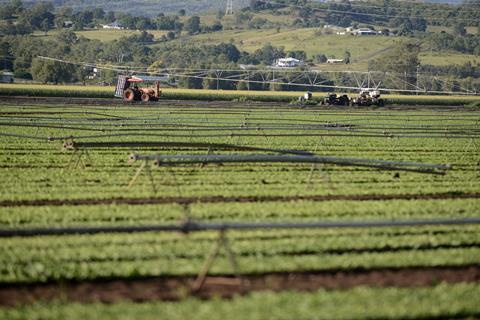
The Economic Contribution of the Queensland Horticulture Industry report provides comprehensive analysis of the industry’s true economic value. The 2024/25 edition, released in November, revealed the sector has grown to an estimated A$4.61bn farm-gate value in 2024/25 – up from A$4bn in 2020/21.
QFVG interim CEO Joe Moro said the report highlights not only the scale of horticulture’s economic contribution, but also its importance to the stability and resilience of regional communities.
“This report makes it clear that Queensland horticulture doesn’t just support regional economies – it drives them,” Moro said. “When growers thrive, towns thrive. The wealth generated in the paddock flows straight into local businesses, services, jobs, and community life.”
Queensland grows one-quarter of Australia’s fresh produce and dominates national production in key crops such as bananas, pineapples, ginger, avocados, and strawberries. The state’s climatic diversity allows year-round production, underpinning both national food security and reliable supply for consumers. The report showcased Queensland’s unique efficiency: horticulture uses just 10 per cent of the state’s irrigation water and only 3 per cent of its land yet produces 40 per cent of Queensland’s irrigated agricultural value.
“Horticultural growers are some of the most efficient producers in Australian agriculture,” Moro said. “They’re innovative, they invest heavily in technology, and they find ways to keep producing high-quality food despite rising costs, labour shortages, and policy pressures.”
Nearly 88 per cent of Queensland’s horticultural activity occurs in the regions, with the largest economic contributions coming from the Wide Bay, Cairns/Mareeba, and Toowoomba–Darling Downs. The sector directly employs 20,768 people, supports a further 24,078 through supply chains, and adds 16,860 seasonal jobs during harvest peaks.
“One in every 100 Queensland jobs depend on horticulture,” Moro said. “This is a workforce-intensive industry that supports families, sustains small towns, and attracts new investment into the regions.”
Moro said the report gives growers – and the broader industry – a stronger platform for advocacy at a time when farm viability is under increasing pressure.
“Growers deserve decisions based on facts, not assumptions,” he said. “This evidence base strengthens our ability to push for policies that protect farm viability, improve workforce access, strengthen supply chains, and ensure horticulture remains competitive globally.”
QFVG will use the findings to guide its advocacy agenda and ensure government and industry partners recognise the essential contribution growers make to Queensland’s economy, workforce, and food security.