Ellie Brock receives NZ$10,000 for research on integrated pest management approaches to support more resilient potato production
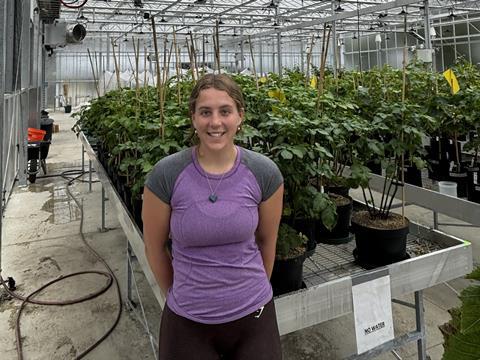
T&G Global has announced that Ellie Brock, a master’s student at Lincoln University, is the recipient of the company’s 2026 Edward Turner Horticulture Futures Grant.
The grant, which valued at NZ$10,000, supports emerging science and business leaders whose work has the potential to strengthen the future of New Zealand’s horticulture sector.
T&G’s head of corporate affairs, Adrienne Sharp, said the calibre of applicants this year made the selection process particularly competitive.
“We were encouraged by both the quantity and quality of applications received, reflecting the depth of talent coming through in the sector,” Sharp said. “Ellie’s research stood out for its strong focus on practical, sustainable disease management and its clear relevance to growers.”
Brock holds a Bachelor of Science and is currently completing a Master of Horticulture Science at Lincoln University. Her research focuses on Spongospora subterranea, the soil-borne pathogen responsible for powdery scab in potatoes, a disease that continues to impact crop quality and yields.
Her work explores integrated pest management approaches to support more resilient potato production. By combining controlled trials with on-farm field studies, Ellie aims to develop practical, economically viable and environmentally sustainable disease management solutions for the potato industry.
“We believe continued investment in applied research like this is critical to building capability across the industry and helping the horticulture sector thrive and become even more resilient,” said Sharp.
Brock said she was immensely grateful and proud to be named this year’s recipient.
“This opportunity will not only allow me to expand the scope of my research but also connect with the team at T&G, an organisation that plays a vital role in shaping New Zealand’s horticulture sector,” she said.
“Earlier in my studies, I didn’t feel confident applying for grants because I didn’t believe my work was significant enough. As I progressed into plant pathology and began researching integrated pest management, I realised how essential this field is for the future of horticulture. That, combined with my passion for contributing as a woman in science, and particularly horticulture, gave me the confidence to apply and trust that my work was worthy of support.”