The organisation behind GlobalGAP highlights five priorities to make fruit and vegetable farms more resilient
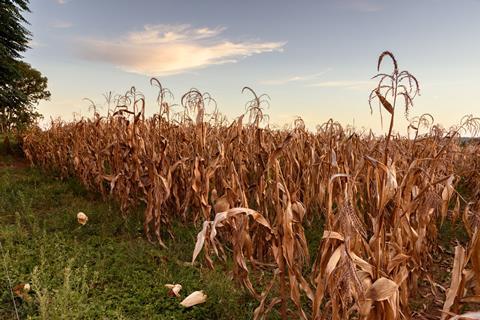
As extreme temperatures increasingly disrupt crop growth, water availability, and labour productivity, growers across Europe are rethinking how they manage heat-related risks throughout their operations.
Rising temperatures and prolonged heat waves are placing greater pressure on agricultural production. Research from the European Central Bank (ECB) indicates that the heatwaves and droughts will reduce agricultural output across Europe by 5 per cent on average.
Farmers in southern European countries such as Greece, Italy, and Spain have experience in coping with extreme heat. But now regions further north, such as Germany or France, are encountering heat stress and its impact on farming operations. In Germany alone, a dry spring and a heat wave in late June 2026 have caused an estimated €6.3bn in economic losses.
As extreme heat events become more frequent and intense, effective heat management has become a business priority, not just a seasonal concern. Producers can strengthen resilience and reduce operational disruptions by committing to change where it has the most impact.
“Extreme heat can no longer be treated as an exceptional event,” says René Capote, senior technical expert at Agraya. “Producers need management practices that help protect workers, safeguard resources, and maintain productivity under increasingly volatile conditions.”
Capote highlights five areas that deserve particular attention:
1. Understanding heat as a business risk
Heat stress affects multiple parts of farm operations and needs to be addressed through structured risk management. Producers should include heat as a potential health and safety hazard in the farm’s risk assessment and identify where their operations are most vulnerable.
High temperatures can affect workers, infrastructure, day-to-day operations, and even the application and effectiveness of plant protection products and fertilisers. Regular risk assessments, reviewed at least annually, help producers adapt practices before disruptions occur.
2. Preparing the workforce for extreme heat
Labour-intensive fruit and vegetable farming relies heavily on healthy, productive workers, especially during critical harvesting periods. Long exposure to high temperatures affects concentration, physical performance, and well-being, increasing the risk of heat-related illness and workplace accidents which can ultimately lead to operational disruptions. Adjusting work start times, for example during heat waves, helps safeguard workers and maintain productivity.
3. Strengthening water stewardship
Water has become a critical resource, even outside of droughts and heatwaves. Good water management provides decision-makers with a framework for assessing risks and preparing for disruptions before they occur. A comprehensive water strategy should evaluate sources, irrigation systems, distribution networks, and environmental impacts while supporting long-term efficiency.
4. Using farm data to irrigate more effectively
Although higher temperatures often increase water demand, irrigation decisions should be based on local conditions and reliable data. Tools such as drip irrigation systems, soil-moisture sensors, and weather forecasting data can help farmers apply water more precisely, improving water-use efficiency while supporting crop health and productivity. Effective water management may also involve selecting more suitable crop varieties, or where appropriate, switching to crops that are better adapted to local climate and water availability.
5. Preparing for a hotter future
The latest heatwave offers farmers in Europe an important lesson: heat management is part of continuous improvement, which connects workforce management, water stewardship, infrastructure planning, and business continuity. As growing conditions continue to become more challenging, farms that regularly review practices, invest in preparedness, and strengthen resilience across their operations are likely to fare better. Steps to prepare for the future include regularly updating risk assessments, reviewing infrastructure needs, and ensuring that heat management remains part of long-term business planning.
Building resilience through continuous improvement
No on-farm practice or technology can prevent a heatwave, but producers can use a range of tools and adaption measures to reduce its impact. Farm assurance systems provide producers with a path to prepare for and respond to challenging growing conditions. Modern standards enable a structured approach to risk assessment, worker well-being, water management, and continuous improvement. They provide a practical framework for identifying vulnerabilities and strengthening day-to-day farm management.
“Independent, verified standards are powerful tools that help producers navigate the growing challenges posed by climate change,” says Capote. “Established frameworks, such as GlobalGAP already support better decision-making on farms. Looking ahead, our Environmental Sustainability Solution (ESS) is being developed to help producers address challenges such as heat stress, water management, and resource efficiency through a structured and scalable approach.”