Citrus Growers’ Association says planned arrival of competing private rail operators could save billions of rand each year
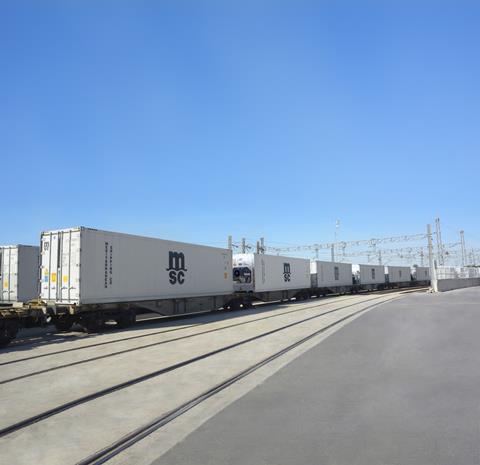
A plan to allow eleven private rail companies to begin operating in South Africa – potentially as early as 2027 – is seen as a positive development for the country’s citrus export sector, according to Boitshoko Ntshabele, CEO of the South African Citrus Growers’ Association (CGA)
A recent study by the independent Bureau for Food and Agricultural Policy found that the combined direct and indirect cost of inefficient logistics to the citrus industry was a staggering R5.27bn during the 2024 season.
“This is a monumental loss to our growers,” Ntshabele says in a recent letter to CGA members. “But, importantly, [it] also represents an overall foreign revenue loss and a setback to creating desperately needed jobs at a time when South Africa can least afford it.”
A significant amount of citrus must travel around 850km to the Port of Durban by road, he explains, which makes improvements to rail access essential.
“As the CGA we have made – and continue to make – calls for large-scale private sector participation at ports across South Africa,” he notes. “In January 2026, [International Container Terminal Services] took over responsibility for pier two in Durban, a significant and even historic step where public-private sectors partnerships are concerned, and we continue monitoring how this progresses.”
He says the country’s rail services are crying for similar interventions, and the recent official conclusion of rail access agreements with eleven private operators is an important sign of progress.
“The current export season shows a number of significant setbacks that I have reported on, weekly, to some perhaps almost ad nauseum! But these setbacks impact profitability for growers,” he writes.
Rolling into view
South Africa’s Minister of Transport, Barbara Creacy, is understood to have said she expects the eleven train operators should begin operations as early as April 2027, which would be around the time the 2027 citrus season starts.
“It is our hope that agriculture features strongly in terms of prioritisation of goods to be moved from road to rail,” says Ntshabele. “In commenting on these, the Minister noted further that the private players would represent a departure from a sole service provider operator, as they would be competing in the market in terms of service quality and efficiency to the benefit of their customers.”
As the current season progresses and approaches its export peak, Ntshabele says the sector remains “optimistic” that more can be done to achieve seamless movement of fruit from farm to ports.
“Quality of arrivals in destination markets will be a differentiator in a season that is proving to be full of surprises. When the big shift to move goods from road to rail does happen, we hope that it will also help cut costs for our growers by eating into the R5.27bn figure quoted above.”