Eating a portion of both fruits each day improved vascular health markers in adults with prediabetes after eight weeks
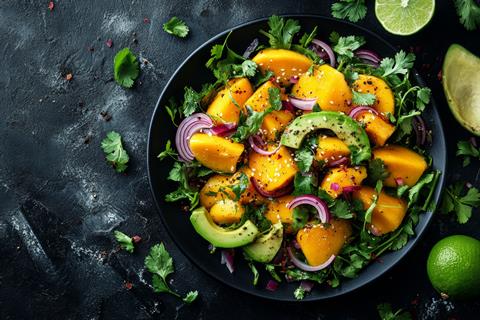
A new clinical trial shows that avocado and mango consumption can improve blood vessel function in adults with prediabetes, a condition that affects more than 30 per cent of Americans.
The Illinois Institute of Technology study showed that prediabetic adults who ate one medium-sized avocado and one cup of diced mango a day demonstrated a significant improvement in blood flow and a reduction in diastolic blood pressure compared to individuals who consumed a similar diet that did not include these two fruits.
The individuals that took part in the trial ranged in age from 25 to 70 years and had elevated fasting glucose levels (100 mg/dL to 125 mg/dL). They were randomly assigned to either an intervention group eating one Hass avocado and one cup of mango daily or a control group eating matched calorie amounts of similar carbohydrate foods for an 8-week period.
The researchers prepared meals for part of the participants’ daily caloric intake, the other half came from the participants’ own food selections. Women received 1,500 calories per day, and men received 1,750 calories per day.
After eight weeks, researchers assessed endothelial dysfunction, which measures how well blood vessels expand and relax. Endothelial dysfunction is an early sign of cardiovascular disease progression and is often found in those with prediabetes.
The participants consuming an avocado-mango diet showed an FMD improvement of 6.7 per cent, while the control group showed a decline of 4.6 per cent – a statistically significant difference according to the researchers.
Diastolic blood pressure changes were also noted. The control group’s men experienced an average increase in their central diastolic blood pressure of approximately 5mmHg, while males consuming the fruit group’s diet decreased their central diastolic blood pressure by approximately 1.9mmHg. An ongoing increase of 5mmHg to 6mmHg or more may raise the risk of stroke and coronary disease in the long term.
There was no significant difference in systolic blood pressure between the two groups.
“These data suggest that an increase in fruit intake, in particular avocados and mangoes, results in a change in vascular function, which are important for healthy cardiovascular function in a population of people who are high risk for cardiovascular disease,” the researchers said.
Researchers believe that antioxidant activity, increased availability of nitric oxide, and higher dietary fibre intake may have caused the observed improvements in vascular function, although the study did not directly investigate these mechanisms.
Research findings are available online in the Journal of the American Heart Association.