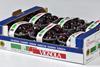
Modern labels carry branding, traceability, disposal guidance and digital links, and weigh a fraction of a gram compared with other packaging types
Packaging in fresh produce has always been a balancing act under Extended Producer Responsibility (EPR), it’s now a direct hit to the bottom line. In the UK, EU and several US states, producers foot the bill for packaging waste management, every extra gram of weight, every layer of complexity, translates straight into higher fees and bigger compliance risks.
Less is literally more – optimise now or pay more later.
Unlike many packaged food categories, fresh produce often needs only minimal packaging. In some cases, packaging may protect or prolong fresh produce, yet often packaging is still widely used only for branding and traceability. EPR challenges this approach by prioritising prevention over recycling alone.
Fruit labels are gaining renewed attention as a result. Modern labels carry branding, traceability, disposal guidance and digital links (QR codes, barcodes). Comparative analysis shows labels weigh a fraction of a gram in comparison to other packaging. This difference is similar to sending something in an envelope rather than in a large shipping box - both can deliver the same information and value, but one uses a fraction of the material.
Fruit labels and prepacks often serve the same purpose – identification and information – yet the material involved is on an entirely different scale. In an EPR world, that difference is no longer just environmental; it’s commercial too.
Infrastructure constraints continue to slow progress. Traffic‑light systems like the UK Pack Recyclability Assessment Matrix (RAM) are still evolving, and rapid changes often expose points of tension. For example, flexible plastic packaging currently receives a ‘red’ RAM rating at the collection stage because, so few UK local authorities collect it at the kerbside. This highlights the conflict between minimisation goals and real‑world infrastructure limitations. As a result, policy experts increasingly argue that outcomes – not material types alone – should be incentivised.
Fresh produce can therefore become a leading category for a minimised packaging approach. Packaging can be implemented without compromising safety, traceability, quality, consumer engagement, or product differentiation. This challenges policy makers to align intent with real‑world impact as policy is implemented or designed.
EPR policy does need to evolve further to be more supportive of recyclable/compostable packaging outcomes. Certified compostable fruit labels are one packaging solution, but not the whole or full solution given the complexities faced. A practical and environmentally conscious packaging choice, it is a front runner as it also complements, or can accommodate, other needs such as branding, consumer engagement and traceability.
See the full article sinclair-intl.com