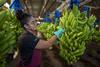
Research underscores the far-reaching consequences of irresponsible purchasing on the banana supply chain

Corbana CR bananas A

Image: Corbana

The Ethical Trading Initiative (ETI) has published a new report showing that the buying practices of European supermarkets put pressure on producers that is passed directly on to workers.

Banana supply chain: How purchasing practices influence outcomes for producers, exporters, and workers, says retailer decisions have a “direct and significant influence” on the supply chain actors and labour conditions.

“Until now, efforts to improve labour conditions in the banana sector have largely been focused on the production end of the chain. This has left one key area unexamined: the impact of retailer purchasing practices on workers. This report sets out to address this gap,” ETI said.

The report draws on a variety of surveys and interviews with Tier 1 and Tier 2 suppliers and retailers. It identified where the experience of suppliers and retailers’ perceptions align, and where they diverge. The research highlights the structural and operational factors that shape these differences and examines how specific purchasing practices create impacts across the supply chain and, ultimately, for workers.

According to ETI, a clear pattern emerged: Retailers of ten of the 12 surveyed supermarkets expressed confidence in their practices, while suppliers described very different experiences. “This divergence highlights where purchasing practices create pressure that cascades down to workers,” it said.

The benchmarking also revealed variation between retailers, “creating opportunities for peer learning and strengthening internal discussions on responsible purchasing”.

From the suppliers’ perspective, the assessments highlighted six key areas requiring further attention: Power imbalances and commercial pressure; prices that do not sufficiently cover the real cost of production; audit fatigue; diverging technical specifications across markets; pressure resulting from low retail prices and claims management practice and challenges in implementing living wage commitments.

“These findings underline that purchasing decisions can have far-reaching consequences beyond commercial relationships, influencing suppliers’ ability to invest in better working conditions and wage improvements,” ETI stated.

The report forms part of the wider efforts on living wages in the banana sector. This includes the German Retailers Working Group on Living Income and Living Wages coordinated by GIZ’s Sustainable Agricultural Supply Chains Initiative (Sasi, and the national Banana Retail Commitment on Living Wages for banana supply chains in Belgium, the Netherlands, and the UK, coordinated by IDH.

The assessment itself was completed in partnership with ETI and delivered through a collective process involving 12 retailers participating in the German, Belgian, Dutch and British retail banana commitments.