Declining dam levels and below-average rainfall in Western Cape prompt a 15 per cent reduction in agricultural water allocations
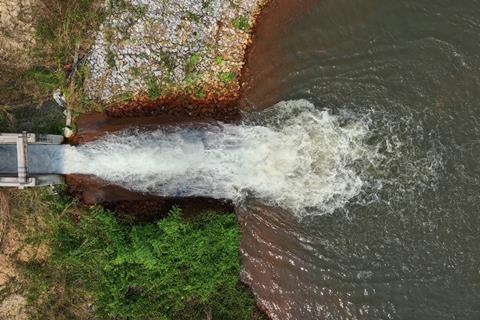
Declining dam levels and below-average rainfall in South Africa’s Western Cape have resulted in water restrictions, which are seen as a blow for fruit growers in the Berg River region.
A 15 per cent reduction in agricultural water use announced by the government comes at a particularly challenging time for grape growers, according to Mecia Petersen, CEO of of the South African Table Grape Industry (Sati).
“It comes at a very challenging time for grape growers who have already finished their planting and irrigation plans, leaving very little room to adjust,” she said.
Carel van der Merwe, Sati’s Berg River regional representative, warned the move could affect the industry’s export competitiveness.
The Berg River Valley is one of South Africa’s biggest grape-growing regions, with stonefruit also one of the export crops grown in the area.
The agricultural sector in the valley forms part of the national supply system, unlike in some other areas where growers have their own private water supply systems.
Petersen acknowledged that water is a scarce resource and said the industry is committed to using it responsibly.
“Our growers have invested significantly in more efficient irrigation systems, water management practices, overhead plastics and protective netting to reduce water use and make every drop count,” she noted.
“There is however a limit to how they can offset reduced water allocations.”
Van der Merwe said that longer-term implications of water restrictions cannot be overlooked.
“It is not only a matter of getting through this season; it has implications for the industry’s long-term sustainability.”
Petersen called for a more measured approach in allocations for agriculture and other water users.
Sati outlined that the industry is increasingly concerned about the Western Cape’s longer-term water security.
“The Western Cape is becoming hotter and in practical terms drier,” Petersen added.
”We need a far more proactive and coordinated approach to water infrastructure, storage and the development of alternative water sources.”