Export volume could increase by 20,000 tonnes by 2028, but sector faces major structural challenges
Strong international demand is fuelling the growth in Guatemalan Hass avocado production, with exporters increasingly eyeing new markets like Asia. However, analysts warn that logistical challenges, the impact of climate change and competition from other suppliers could curb the industry’s growth in the coming years.
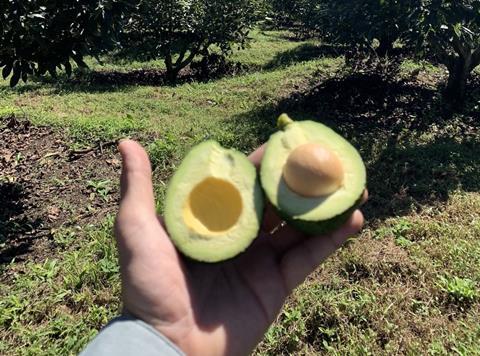
Guatemala currently has more than 13,000ha planted with avocados and this is expected to grow by 15 per cent over the next decade, according to figures from export promotion body Agexport. The industry is working hard to raise the quality of its production through programmes focused on good agricultural practices, integrated pest management, farm certification, and product processing.
Estimates from Agexport’s Avocado Committee indicate that output could rise by up to 20,000 tonnes by 2028, a goal that will depend not only on increased production but also on the country’s ability to meet increasingly stringent international demands.
Guatemala exported US$17mn of Hass avocados in 2025, an increase of 3 per cent over the previous year. But the country faces structural obstacles that extend beyond farms, such as rising logistics costs, poor transportation infrastructure, and the effects of climate change on production.
Amador Carballido, director general of Agexport, said export growth would depend on “strengthening the country’s competitiveness”.
As planted area expands, the sector is seeking to diversify its export destinations and reduce its dependence on traditional markets. Currently, the main buyers of Guatemalan avocados are the Netherlands, the UK, and Central American countries such as El Salvador, Honduras, and Costa Rica. However, producers and exporters have begun to focus on Asia, primarily South Korea and Taiwan, while exploring trade opportunities in Japan and other markets considered strategic.
According to Freddy Hochstetter, president of Agexport’s Avocado Committee, the growth in consumption of natural and healthy foods in Asia represents an opportunity to position Guatemalan avocados in higher value-added markets. Even so, he said entering these markets requires meeting more rigorous standards related to traceability, sustainability, and agricultural certifications.
Agexport’s Avocado Committee will hold the 5th National Avocado Congress on 18-19 June the National Central School of Agriculture (ENCA), where international trends, technology applied to cultivation, and strategies to strengthen the sector’s competitiveness will be among the topics up for discussion.