Spanish company says harvest is running around a week later than last year, due to the wet winter
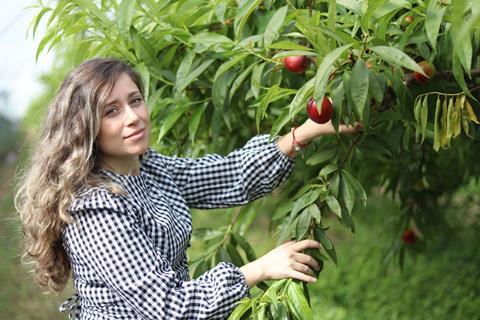
The Plus Berries group has started its 2026 stonefruit season with the harvesting of the first extra-early protected-grown nectarines on the Huelva coast. Picking is running approximately one week later than last year, due to the particularly rainy winter that delayed flowering.
“We’ve been harvesting white- and yellow-fleshed nectarines for about a week now, currently in limited quantities, mainly for the domestic market. Next week we’ll also begin harvesting peaches, and then we’ll be able to open all supply lines in Spain and start exporting,” said Victoria Martín, part of the company’s marketing and sales department.
Despite the delay, the company reports that the quality of the extra-early fruit is outstanding. “This year the trees have had a good winter dormancy, with sufficient chill hours in November, December and January, which is an optimal time. We have started the season with clean-skinned fruit, good colour, and high Brix levels thanks to the mild, sunny weather since the end of February, following a rainy period,” Martín said.
Although the group’s planted area is similar to last season. it continues to renew its varietal offer, committing to the most advanced genetics to adapt to the demands of the European market.
Spanish nectarines and peaches arrive at a strategic time: Europe has very little stonefruit from the Southern Hemisphere, and what remains has lost quality, opening up a significant market opportunity for producers in Huelva, albeit with high production costs.
“We have the capacity to open supply lines, guaranteeing sufficient volumes for all our customers from the beginning of spring,” Martín said. “We offer fruit with very high quality and food safety standards, as well as a locally sourced product for European markets.”
Plus Berries has 250ha of production on the Huelva coast, mainly distributed between the municipalities of Lepe and Isla Cristina.