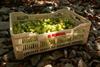
Growers seek to mitigate damage to save fruit for export

Unseasonal rainfall patterns brought on by El Niño are impacting early cherry production in Chile’s Coquimbo region.
Growers in the Limarí Valley near Ovalle – where some of the first cherries of the season are produced – are on high alert following the recent precipitation. Excess water causes cherry splitting, which compromises the fruit’s export potential.
“We have experienced a historic week. We hadn’t recorded rainfall of this intensity in October before,” producer Jorge Astudillo told MiRadio.
Growers have been forced to implement various strategies to mitigate damage, but Astudillo warned that, given the accumulated rainfall, the impact is already significant.
According to Astudillo, the situation is particularly challenging for the Brooks and Nimba varieties, which are more sensitive to excess water. “I would say that 80 per cent of these varieties are already split,” he said, adding that other varieties, such as Rainier, Glenred, Lapins, and Santina, have shown lower levels of splitting so far.
This situation compounds a season that was already projected to see a significant drop in production within the valley. According to Astudillo, prior to the rains, production was expected to be down by nearly 70 per cent compared to the previous year.
Despite the challenges, he noted that there is still fruit in good condition and that the harvest for the Brooks variety was scheduled to begin on Thursday in the Camarico and Los Acacios areas, destined for markets in Europe, North America, and Asia.
“There is good fruit that can be exported, and we are going to handle it in the best way possible,” he said.