Company warns that shipping routes, oil prices, and market reactions in key regions are the main risks to monitor
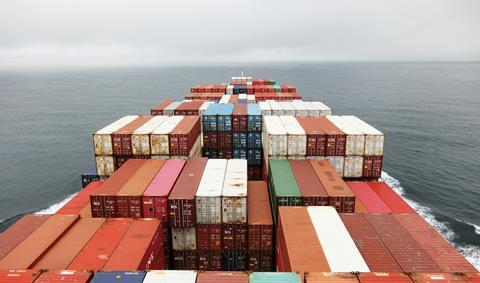
As geopolitical tensions in the Middle East continue to evolve, import-export company Salix Fruits said it is closely tracking potential impacts on the global fresh produce trade. While demand for fresh fruit remains stable, the company identifies logistics disruption and rising transportation costs as the primary risks for the industry.
COO Juan González Pita commented: “We are not seeing a direct impact on fresh fruit demand today, but we understand that the main risks lie in logistics and the costs associated with international transport, including fuel price increases. The region concentrates a significant share of global crude trade, and any disruption can ripple through the entire supply chain”.
When geopolitical crises emerge, the fresh produce industry tends to feel the pressure first in its operations, not its sales, the company noted. Maritime route diversions, longer transit times, and higher insurance premiums are typically the first signs, and they hit hard in an industry that runs on tight margins. A sustained rise in oil prices compounds the problem, driving up both ocean freight and ground transportation costs and putting pressure on negotiations with supermarkets and international buyers.
Despite these headwinds, Salix Fruits believes the industry enters this scenario better prepared than in previous crises. The disruptions of the Covid-19 pandemic and the Russia-Ukraine war tested global fresh fruit supply chains and held.
“The industry has shown resilience. During the pandemic and the war in Ukraine, supply was maintained and alternative logistics routes were found,” González said. “Today we have stronger contingency plans and greater flexibility in routes and commercial agreements. The key is to anticipate and react quickly to sustain shipment continuity.”
As for the Middle East as a market, Salix Fruits views it as a relevant but not primary destination: an opportunity for diversification, particularly for bananas and certain long-shelf-life fruits. The company’s main focus remains on North America, Europe, and Asia.
To stay ahead of potential disruptions, Salix Fruits said it is monitoring three variables: the evolution of the conflict and potential restrictions on maritime routes; oil prices and their impact on transportation costs; and the reaction of international markets, particularly in Europe and North America, where inflationary pressures could trigger price renegotiations.
“Our goal is to guarantee continuous supply and maintain the trust of our customers, even in complex scenarios,” González said.