Strengthened partnership comes in response to ‘exceptionally high’ aphid pressure in seed potato plantings and will include funded traps in Scotland and Jersey to support long-running monitoring programme
Potato supplier Albert Bartlett has strengthened its partnership with public-private science body Fera to help growers tackle the threat of aphids for the 2026-27 seed potato growing season.
For the 2026 season, Albert Bartlett has funded 43 monitoring trap sites across Scotland and two in Jersey, supporting Fera’s long-running national programme.
The scheme began in 2004 and typically processes around 850 samples from 100 UK sites annually.
Results deliver critical data to growers, as well as decision-making tools, and enhanced protection.
In 2025, growers were supplied with specialist monitoring kits, equipped to collect aphid samples throughout the season, while Fera managed kit distribution, onboarding, grid reference verification, data permissions and all laboratory identification work.
Programme leads at Fera, Lisa Blackburn and Larissa Collins, said aphid pressure has been ”exceptionally high”.
“The rapid reporting enabled by this monitoring network has been crucial in helping growers act quickly and confidently.
”Our work with Albert Bartlett ensures Scotland’s seed potato sector is equipped with the science and data it needs to manage virus risk effectively,” they said.
Results from the 2025 season showed significantly elevated virus pressure, and evidence that virus pressure peaked early, with the first major spike occurring one week earlier than in 2024 and two weeks earlier than typical years. Many regions experienced multiple peaks, with some lasting several weeks.
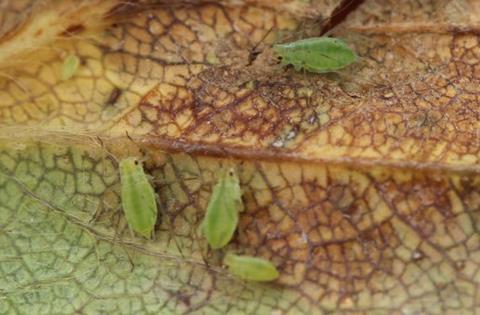
Aphids continue to pose a major threat to potato health and yields. Beyond weakening plants by ingesting sap, aphids act as key vectors for potato viruses, including Potato Virus Y (PVY), Potato Leaf roll Virus (PLRV) and Potato Virus A (PVA), which cost the UK potato industry millions of pounds annually.
Their rapid reproductive cycle and ability to colonise new plants quickly make them particularly challenging to control.