CGA calls for immediate action to counter fuel shortages and potential diesel price increases of up to 60 per cent
The South African citrus industry (CGA) has called for urgent intervention to counter the threat of fuel shortages as the industry approaches the start of its new season.
During the past two weeks there have been reports of fuel and, particularly, diesel shortages as the country deals with the impact of the Middle East War and soaring oil prices.
New national prices will come into action this week and there are indications that diesel prices could increase by between 50 and 60 per cent.
Observers have said it will be a devastating blow for the fresh produce industry and particularly the citrus industry which is embarking on its new season from April.
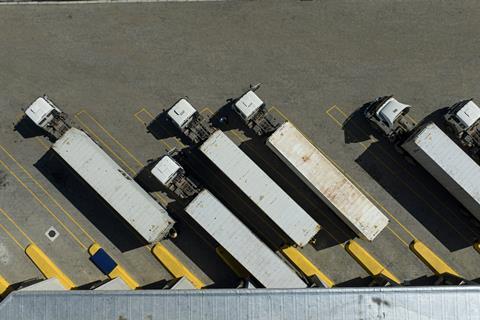
The CGA emphasised the urgent need for an integrated national approach involving government, fuel suppliers, logistics operators, growers and exporters, emphasising that 95 per cent of the national citrus crop moves by road to ports.
“Should controlled selling or limited availability of diesel persist, it could directly affect the functioning of the citrus supply chain,” said Dr Boitshoko Ntshabele, chief executive of the CGA.
“As the 2026 citrus season will shortly commence, the Citrus Growers’ Association of Southern Africa is closely monitoring fuel availability and cost due to the conflict in the Middle East.
”These factors will impact the upcoming citrus season, which begins in earnest from April,” he noted.
The CGA said it has received reports of isolated diesel shortages, which is concerning.
“While official assurances indicate that national supply remains stable, industry participants have reported limited diesel availability at certain stations, seemingly caused by unusual buying patterns and controlled allocation by industry players,” Ntshabele continued.
“Strong coordination, transparency, and contingency planning will be essential to ensure the upcoming season proceeds with as little disruption as reasonably possible.
”The government must consider the important contribution of agriculture exports in the economy,” he warned.
South Africa is the world’s second largest exporter of citrus, he pointed out, and citrus is the country’s largest agricultural export sector.
“Should controlled selling or limited availability of diesel persist, it could directly affect the functioning of the citrus supply chain,” said Ntshabele.
”This points to the problems inherent in a logistics system almost wholly reliant on trucks and road transport.
”Over the longer term, greater freight rail activity is needed, and the CGA is grateful that private sector involvement in rail is progressing, but it needs to happen at a greater scale and a faster pace,” he urged.
“Recent developments place additional strain on our sector, which supports 140,000 jobs at farm level.
”We therefore encourage the government to assist in mitigating negative impacts and to create an enabling environment that supports the continued growth of the citrus industry,” Ntshabele added.
”This includes action on improved market access to China, India, the United States and the European Union. We need better access and more markets now more than ever.”