Report shows how cross-industry effort could transform the fight against food insecurity and commercially benefit the food sector
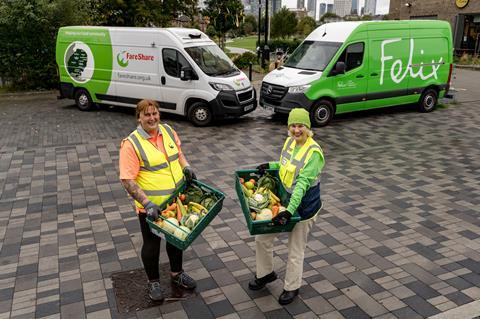
New research has revealed that the UK food and drink manufacturing sector could help provide more than one billion meals a year to people facing food insecurity.
This could be achieved by reducing waste, recovering surplus, and reinvesting cost savings, according to The Waste Equation report developed by strategic delivery consultancy Newton in partnership with The Felix Project and FareShare, which recently merged.
The research sets out a practical, data-driven blueprint for how manufacturers can make a difference, with even relatively small improvements having a transformative impact.
Each year, UK retailers sell 18.5 million tonnes of UK-manufactured food and drink. Yet in the process of producing that food, around 550,000 tonnes (equivalent to three per cent of sales) is wasted. The report finds that:
- 23 per cent of that waste (128,000 tonnes) could be prevented, saving manufacturers an estimated £326 million.
- 16 per cent of surplus that cannot be cost-effectively prevented (89,000 tonnes) could be recovered for redistribution by frontline charities, equivalent to 212mn meals.
- Reinvesting the £326mn in savings at the lowest marginal manufacturing cost could generate a further 657mn meals.
Combined with the 148mn meals currently redistributed each year by The Felix Project and FareShare, this creates the potential to provide over one billion meals a year to people who need them.
The Waste Equation highlights a simple, three-step approach for manufacturers to achieve this impact: reduce, recover, reinvest. This aligns with recommendations from the UK government, Wrap and The Coronation Food Project.
To help pinpoint where the most food is lost, the report’s Manufacturing Waste Map identifies six key moments in production: preparation, operations, quality control, giveaways, changeovers and planning.
The report shows that by targeting all six areas with practical, evidence-backed interventions, businesses could dramatically reduce waste, improve operational efficiency, and unlock hundreds of millions of additional meals for those facing food insecurity.
Tim Murray, a partner at Newton, said: “This report shows that no single organisation can solve the waste problem on its own. Traditionally, retail has been the biggest supplier of edible surplus to charities, but as supply chains become more efficient, that surplus is declining – even as demand for food support continues to rise.
“By collaborating across the wider supply chain – sharing expertise, logistics, storage, and production capacity – we can unlock far more surplus food for those who need it.
“Even delivering a small portion of what’s outlined in this report would mean millions more people are gaining access to affordable, nutritious food – while at the same time also improving business efficiency across the industry.
“The industry already does a great deal to help people facing food insecurity. The question now is: how do we go even further?”