NGO set out COP31 plans to push food waste higher up global climate and economic agenda
Environmental NGO WRAP has called on global governments to accelerate efforts to prevent food waste, highlighting the potential to reduce greenhouse gas emissions, strengthen supply chain resilience and improve food security.
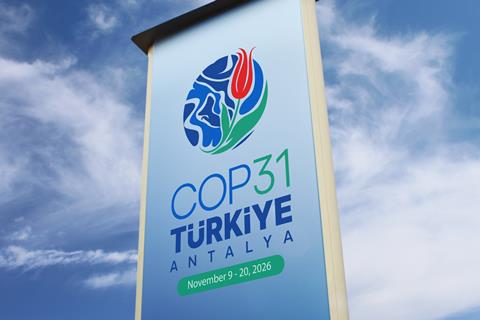
The call comes as WRAP’s chief executive Catherine David leads a delegation at COP31 in Türkiye, where she is moderating a panel titled Preventing Food Waste: From Supply Chains to National Action.
COP31 is the United Nations’ annual Climate Conference, bringing together governments and other stakeholders to negotiate and advance global cooperation on climate change.
More than 1bn tonnes of food is lost or wasted globally each year, contributing to an estimated 8-10 per cent of global greenhouse gas emissions, according to WRAP.
The organisation said preventing food from becoming waste is one of the most immediate and cost-effective ways to reduce greenhouse gas emissions while delivering economic benefits across the food system.
David said accelerating action on food waste will help “put money back into people’s pockets” and “reduce the pressure on our precious land and natural resources”.
“At a time when businesses and households are facing rising costs, and governments are searching for solutions to climate and economic challenges, we have a huge opportunity hiding in plain sight: preventing food from becoming waste,” she said.
Calls to action
WRAP has urged governments to translate existing food loss and waste commitments into practical measures, calling on the COP31 Presidency and world leaders to take four key actions:
-
Recognise food loss and waste reduction as a cross-cutting climate solution
-
Turn existing international and national commitments into policies, implementation roadmaps and measurable reduction targets
-
Include food loss and waste reduction in relevant COP31 negotiated outcomes
-
Unlock funding to accelerate waste reduction, improve food security, cut methane emissions and build resilient communities
Focus on methane emissions
WRAP is also highlighting the role of food waste prevention in reducing methane emissions, with methane approximately 28 times more potent than carbon dioxide.
As part of COP31’s focus on Zero Waste, the organisation will host a seminar with Defra and the Welsh Government on 11 November at the UK Pavilion.
The ‘Methane Takeaway: Climate Action and Resilience - Circular Food Systems’ seminar will draw on expertise from the UK, Wales and South Africa to demonstrate practical approaches to preventing food waste and limiting methane emissions.
Food Pact Network results
WRAP added that its Food Pact Network, which connects over 920 organisations across ten national and regional Food Pacts, has prevented 220,000 tonnes of food from going to waste.
The initiative has prevented 680,000 tonnes of CO₂e from entering the atmosphere, while more than 2.7mn tonnes of surplus food has been redistributed through charitable and commercial outlets.