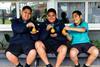
Daily fruit for students paired with curriculum-linked teaching resources about fresh produce

Image: The 5+ A Day Charitable Trust

Fresh autumn fruit has been delivered to 127,000 children across New Zealand as part of the Fruit in Schools (FIS) programme.

FIS is the country’s longest-running school-based nutrition and education programme and plays a vital role in supporting children who face hunger by supplying fresh fruit and vegetables at the start of every school day for breakfast or morning tea, particularly as cost-of-living pressures continue to bite New Zealand households.

Around a quarter of all primary schools in New Zealand participate in the programme, which specifically targets schools in low-socioeconomic areas to reach children experiencing material hardship. Over 50 per cent of FIS students are Māori and over 30 per cent are Pasifika, both of whom are disproportionately affected by childhood poverty statistics.

Porirua’s Natone Park School principal, Daryl Aim, said being part of FIS ensures children have daily access to fresh fruit to support their learning, wellbeing and health – particularly ahead of winter cold and flu season.

“This initiative helps students develop healthy eating habits, improves focus and energy levels in class and also encourages a positive attitude towards nutritious food. Fruit in Schools contributes to both the physical wellbeing and the academic success of our learners. Simply put, it is an amazing and essential component in the hauora of our students,” said Aim.

Alongside the daily fruit offering, what really sets FIS apart from other food providers in schools is its strong focus on education. The 5+ A Day Charitable Trust develops and provides curriculum-linked teaching resources that help explain why fresh fruit and vegetables are important for health and wellbeing, while also showing children where their food comes from. These resources are provided to all 565 participating schools and support practical classroom learning about healthy eating, seasonal produce and growing food.

The resources include a mix of print and digital materials aligned with the curriculum. Practical lesson plans and interactive activities are also provided such as seeds for school gardens, encouraging students to get outside, grow their own vegetables and develop a lifelong connection with fresh produce.