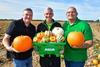
Queensland vegetable grower to lead development of food and energy precinct
Kalfresh has secured A$80mn in climate investment from Wollemi Capital and the Queensland Investment Corporation (QIC) to build Australia’s first integrated food and energy precinct, where the company will turn farm waste into 24/7 renewable energy for Queensland industry and transport, and sustainable fertiliser for farmers.
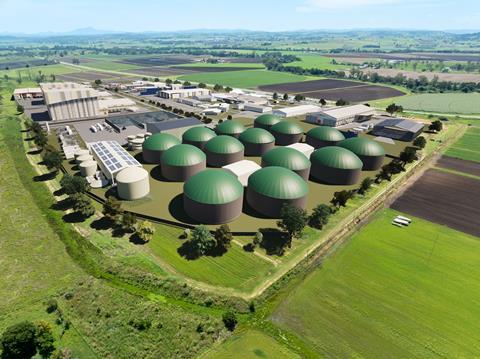
The deal signals the start of construction on the A$291mn Scenic Rim Agricultural Industrial Precinct (SRAIP) at Kalbar, with the first flow of energy scheduled for mid-2027.
The centrepiece of the 40ha precinct will be the Kalfresh Bioenergy Facility, which will transform food waste and crop residues into renewable natural gas. At full capacity, it will produce enough energy to power up to 31,000 homes or fuel up to 98mn kilometres of truck and bus travel annually.
Queensland deputy premier and minister for state development, infrastructure and planning Jarrod Bleijie, said the project showed how industry and innovation can work together to build a future-ready Queensland.
“Queensland is open for business, and we’re working with the private sector on strategic partnerships like this that will accelerate development and drive innovation in our priority industries, and create secure new jobs,” Bleijie said.
Kalfresh has supplied fresh vegetables to retailers for 34 years and will turn its processing offcuts, farm waste and rotational crops into energy using anaerobic digestion, offering a constant source of renewable electricity and fuels.
Kalfresh co-owner and CEO Richard Gorman said it’s a simple, proven technology used extensively overseas to turn agricultural waste into power, renewable natural gas fuel and fertiliser.
“This is a practical and proven renewable energy system that gives us so many options. We can produce renewable gas to fuel vehicles and power homes and industry with farm waste inputs. Anaerobic digestion is a natural process where microbes break down organic matter to produce gas and we’ll use the by-product, digestate, as a natural fertiliser on farm,” Gorman said.
“It’s a closed loop system that returns many benefits. It reduces emissions, supports farmers, decarbonises industry and transport, and boosts local skilled jobs.
“We’re proud to be leading this project and we’re excited to be partnering with QIC and Wollemi in a consortium bringing to market a wide range of renewable products, including new baseload generation to the energy market.”
Wollemi Capital co-founder and co-CEO Tim Bishop said the project is “shovel-ready climate infrastructure”.
“We’re backing this because it’s real, reliable and replicable – a model where agriculture and renewable energy work together, underpinned by economics that stand up at scale,” said Bishop.
QIC CEO Kylie Rampa said the investment represents a significant step forward in demonstrating the commercial viability and scalability of bioenergy from the paddock up.
“Alongside Wollemi, QIC is pleased to support Kalfresh as they lead the way in introducing a scalable bioenergy platform to Queensland, demonstrating how agriculture and clean energy can work hand in hand,” Rampa added.
“Bioenergy is a proven, reliable technology used around the world, and Kalfresh has brought forward a practical vision for Australia’s first scaled deployment designed specifically for Queensland conditions.”
Kalfresh founding director and co-owner, Robert Hinrichsen, said Kalfresh will expand its operations within the Cunningham Highway precinct and will offer 13 serviced lots to third-party food and beverage manufacturers, who will have access to on-site renewable power and circular waste services.
Hinrichsen said this will catalyse a regional jobs boom and help return food processing to where food is grown.
“We’re confident our Kalbar project is just the start for this farm to fuel model,” he said.
“We have a plan to build more food and energy precincts in Queensland. This is a proven energy solution that works now. It brings new investment to regional areas, develops new markets for agriculture and creates secure, year-round skilled local jobs. It’s clean, it’s closed loop and it puts farmers at the centre of the solution.”