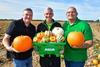
The report details a 30 per cent reduction in Seeka’s net Category 1 and 2 greenhouse gas emissions
Seeka has achieved its 2025 greenhouse gas emissions target while continuing to invest in practical initiatives that support the long-term sustainability of its operations, growers and regional communities, according to its 2026 Sustainability Report.
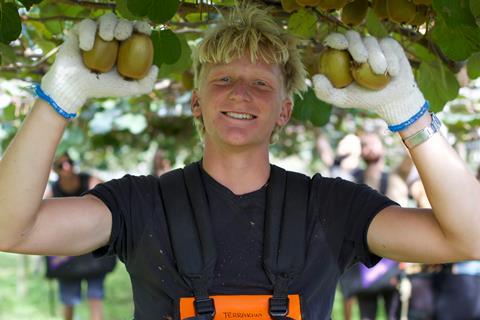
Seeka’s Sustainability Report, released on 30 June, highlighted a 30 per cent reduction in Seeka’s net Category 1 and 2 greenhouse gas emissions from its 2022 baseline, meeting the company’s 2025 target and on target to exceed its 50 per cent reduction by 2030 waypoint and net zero emissions by 2050.
The result was driven by continued investment in lower-emission technologies and operational improvements across Seeka’s orchard and post-harvest network, including solar generation, energy management systems, low-impact refrigerants, electric and hybrid vehicles, and procurement of renewable electricity.
Chief executive Michael Franks said sustainability has strengthened Seeka’s business while delivering long-term value for shareholders, growers, customers, and employees.
“Sustainability is integrated into the way we operate. The investments we are making are improving efficiency, reducing emissions and helping ensure our business remains resilient as we continue to grow,” he said.
Across its operations, Seeka now has 1,165kW of installed solar generation across five facilities, exceeding its 2025 target, while 18 per cent of its vehicle fleet is now electric or hybrid. Seven coolstores and eight pre-coolers were upgraded with lower-impact refrigerants during the year, reducing emissions from one of the company’s largest operational sources.
The report also highlighted improvements in energy efficiency, including detailed energy monitoring, refrigeration upgrades and ongoing investment in renewable energy to reduce electricity demand and improve operational performance.
Sustainability extends beyond Seeka’s orchards and packhouses. In 2025, the company donated 92 tonnes of kiwifruit to the New Zealand Food Network, helping supply 39 food hubs across New Zealand. It also contributed more than NZ$251,000 through sponsorships and donations supporting youth development, community, cultural, sporting and health organisations, while backing regional events including the Te Puke Christmas Parade, Katikati Avo Fest, Flavours of Plenty, local A&P Shows, surf lifesaving and kapa haka events supporting the communities where its people live and work.
Seeka also continued to focus on its circular economy through value-added products that make greater use of the produce it handles. Kiwi Crush transforms process-grade kiwifruit into a naturally nutrient-dense kiwifruit-based nutraceutical sold in supermarkets, chemists and online, while Luvo, Seeka’s premium avocado oil brand, produces high-quality oils from avocados not destined for the fresh market, creating additional value for growers while reducing food waste.
On orchard, Seeka has improved soil health and nutrient management through slow-release fertilisers, variable-rate application technology and greater use of natural fertilisers. The company is also trialling electric orchard equipment and expanding integrated pest management programmes across its growing regions.
“Climate change continues to impact horticulture. Our investments in systems, infrastructure and technology are helping us adapt to changing conditions while continuing to deliver high-quality produce to global markets,” Franks said.
The Sustainability Report outlined Seeka’s climate risk framework, including scenario analysis, governance structures and long-term planning to help the business respond to changing environmental conditions and evolving market expectations.
Alongside its environmental initiatives, the report highlights Seeka’s continued focus on supporting its people and communities through health and safety, career development, regional employment and food security, while maintaining strong governance and delivering sustainable financial returns.
Franks said the report reflects Seeka’s approach of delivering practical improvements that benefit both the business and the communities it serves.
“We are focused on initiatives that make good business sense. By improving efficiency, reducing emissions and making better use of our resources, we are strengthening our business for the long term.”