Exports projected to grow by around 16 per cent, with licensed varieties now accounting for a 72 per cent share of total shipments
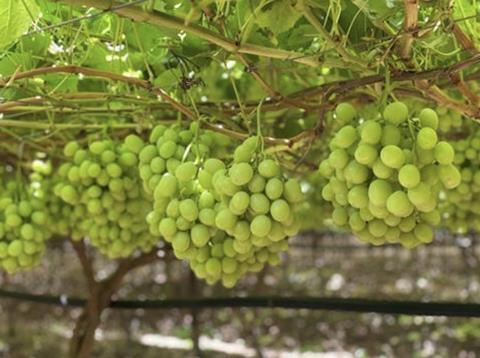
The 2026/27 Chilean table grape export crop is expected to weigh in at 67.9mn (8.2kg) cartons – an increase of 16.5 per cent on last season, according to preliminary forecasts from the Table Grape Committee of Frutas de Chile.
This marks a return to the levels recorded in 2024/25, when Chile exported 67.9mn cartons.
“This initial forecast shows a recovery compared to last season, but at the same time highlights a different supply profile: one with a dominant share of licensed varieties and a season projected to start earlier,” said Álvaro Aspée, executive director of the Table Grape Committee.
Licensed varieties to lead shipments
Licensed varieties are expected to remain the cornerstone of Chilean supply, reaching 49.1mn cartons – a 13.8 per cent increase over last season. Overall, they will account for 72.2 per cent of total projected exports.
Meanwhile, the Red Globe variety is expected to show a recovery, potentially reaching 11.7mn cartons, 30.6 per cent up on 2025/26. Other traditional varieties total approximately 7.2mn cartons, a year-on-year increase of around 15 per cent. “More than seven out of every ten cartons Chile is expected to export this new season consist of licensed varieties. Added to this is a recovery in Red Globe volumes, within a supply base that has already undergone structural renewal,” Aspée noted.
White varieties drive growth
In terms of colour, white grapes are expected to reach 27.8mn cartons – a 17.7 per cent increase ono last season. Within this group, the shift in varieties is particularly pronounced: 95.4 per cent of the projected white grape volume consists of licensed varieties.
Key varieties driving this growth include Sweet Globe (up 17.5 per cent to nearly 8.0mn cartons), Autumncrisp (up 28.9 per cent to 7.7mn cartons), and Timpson (up 28.5 per cent to 3.2mn cartons). Together, these three varieties account for nearly 87 per cent of the total growth in white grapes.
Red varieties (excluding Red Globe) are expected to reach 24.0mn cartons – an increase of 12.7 per cent – while black varieties will remain virtually stable at around 4.5mn cartons.
Regionally, the recovery is concentrated primarily in the Coquimbo, Valparaíso, and O’Higgins regions; together, they are expected to account for approximately 96 per cent of the projected growth for the new season.
Earlier start to the season
Aspeé noted that one of the most significant changes in the forecast concerns the weekly distribution of shipments. The national peak is expected to shift from Week 12 to Week 11, though without reaching a significantly higher peak volume. The main difference lies in the accumulation of volume during the preceding weeks. By week 11, 66.9 per cent of the season’s total volume is expected to have been exported, contrasting with 56.4 per cent in 2025/26. This represents an additional 12.6mn cartons exported by that week, even though the season’s total growth is estimated at close to 9.6mn cartons.
“Rather than a higher peak, we are projecting an earlier season. This is significant because it means the challenge lies not only in managing a larger total volume but also in handling a higher concentration of fruit during the first part of the season,” the Aspée said.
This shift toward an earlier schedule is particularly evident with white grapes. By week 11, 81 per cent of this group’s volume is projected to have been exported – compared to just under 68 per cent last season – with the peak shifting from week 12 to week 10.
Red Globe grapes also show an earlier timeline: almost 42 per cent of their volume is expected to be exported by week 11, up from approximately 29 per cent in 2025/26. In week 11 alone, exports are expected to rise from approximately 758,000 to 1.52mn cartons.
Growth across virtually all markets
Regarding markets, the initial estimate projects volume increases across all major destinations.
The US is expected to continue accounting for approximately 50 per cent of shipments, with 34mn cartons and a projected growth of 15 per cent. Europe is expected to take 15.1mn cartons – up 16 per cent on last season –while Asia will reach almost 6mn cartons, also reflecting a 16 per cent rise.
Other markets would total approximately 12.9mn cartons, a 20 per cent increase that raises their share to nearly 19 per cent of total shipments.
“This initial estimate provides a snapshot of the season’s potential. Future updates will allow us to refine volume figures and shipping schedules, but the clearest signal right now is a recovery in Chilean supply, driven primarily by licensed varieties and a concentration of shipments earlier in the season,” Aspée concluded.