Company widens speciality portfolio while building on long-term partnerships with growers in Europe, Latin America and Africa
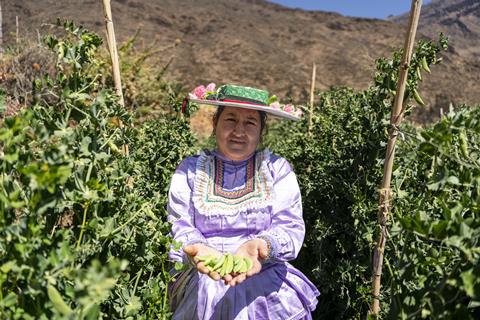
Regenerative agriculture specialist Fairfruit is entering a new phase of growth. With a rapidly expanding product offering and growing footprint in the US market, the company continues to extend its presence in key production regions as it builds a year-round supply of core lines such as snow peas and sugar snaps.
For more than 20 years, the company has partnered closely with small and medium growers in Guatemala, Peru, Ethiopia and Burkina Faso in a mission to create “healthy and honest food accessible for everyone”. Its approach is firmly anchored in regenerative farming: restoring soil health, protecting biodiversity and reducing environmental impact through water conservation, low-carbon logistics and the use of sea freight wherever possible.
“We don’t just grow fruits and vegetables, we grow long-term partnerships rooted in fairness and respect,” CEO Evert Wulfrank told Fruitnet.
Today, the company supplies a wide and expanding range of specialty vegetables, including snow peas, sugar snaps, French beans, English peas, baby carrots, and butternut squash. This year saw the introduction of rainbow carrots and broccolini – colourful, nutrient-rich crops developed to reflect both market demand and the adaptability of the company’s farming partners.
“Our diversification goes hand in hand with strengthening supply continuity from Guatemala, Peru, and Ethiopia, allowing us to serve customers year-round,” Wulfrank said.
Headquartered in Ghent, Belgium and with operations spanning several European countries, Fairfruit is firmly rooted in the Old Continent. More recently, however, the company has turned its attention to building its presence in the US market through its sales office in Delaware.
In Peru, Fairfruit now works across 12 regions to mitigate climate volatility and extend the season. In Guatemala, the company combines production from its own farms with a long-established network of smallholders. Wulfrank says every partnership is rooted in shared principles: fair pricing, agronomical guidance, technical support, and an unwavering focus on soil health and biodiversity.
“We believe in growing better, not just bigger,” he said. “Expansion only makes sense when it regenerates both land and livelihoods.”
He says progress is measured across three pillars: harmony with nature, fair partnerships, and healthy living, backed by certifications including GlobalGAP, Grasp, Fair Trade USA, and Organic Norm Marque.
Looking ahead to 2026, Wulfrank says the company will deepen its regenerative footprint, with pilot projects aimed at improving soil balance, expanding biodiversity corridors, and boosting water-use efficiency. Investment in farmer training and community well-being will also intensify.
“And across all our regions, we will strengthen our partnerships with local farmers, investing in their training, leadership, and well-being, because the future of food depends on the people who grow it,” he said.