The conflict in Lebanon is rapidly creating a food security crisis, according to the UN, as Israeli attacks prevent farmers accessing land
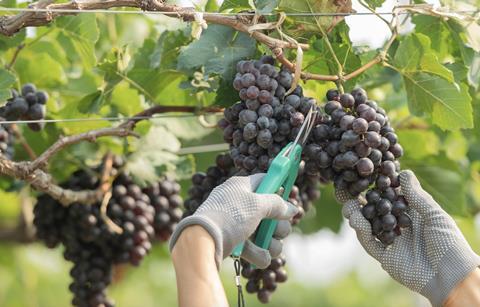
Growers in southern Lebanon are facing major challenges as Israeli attacks and invasions continue to disrupt agricultural activities or cut them off entirely from their land, according to Lebanese broadcaster LBC.
Food security concerns in the country are currently high, as farmers suffer significant losses as a result of their inability to cultivate their fields, LBC reported.
“We are still operating and doing our best to keep things moving,” Fadi Sarkis, CEO of grape and cherry producer Natagri, told Fruitnet. “However, the challenges we are facing are extremely significant, especially in the short and medium term.
“The situation heavily impacts our plans, our decision-making process, our financial capacity, and ultimately our ability to sustain the business.”
The hardest-hit products nationally have been olives and citrus, cultivated largely along the coast and in the highlands in the south of the country. This has left Lebanon reliant on production in the Bekaa and the north, as well as on imports.
Meanwhile, more than a million people have been displaced by the conflict, according to the UN. “What we’re witnessing is not just a displacement crisis: it is rapidly becoming a food security crisis,” said Allison Oman, the World Food Programme’s country director in Lebanon.
“We’re already seeing clear signs of rising food prices across Lebanon,” she added. “In just one month, the price of vegetables has surged by more than 20 per cent.”
Rises in global fuel prices and difficulties accessing fertiliser are equally having a significant impact on farmers across Lebanon.
“What makes it even more difficult is the broader political and financial situation in the country, which continues to add pressure and uncertainty to everything we do,” added Sarkis. “That said, we are doing our best to adapt and move forward step by step.”