Company warns that industry cannot continue to absorb rising costs indefinitely while simultaneously investing in sustainability
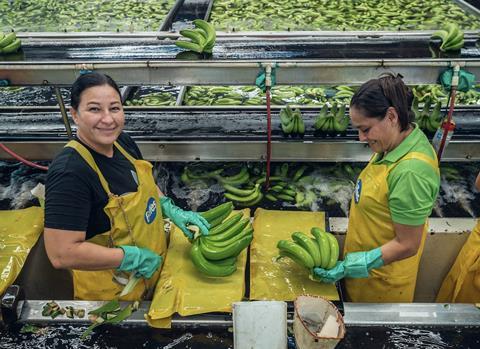
The chorus of voices demanding a more equitable approach to banana production is growing louder. Ahead of Fruit Attraction 2026, Fyffes is calling for greater collaboration across the banana sector to develop a long-term sustainable model that ensures growers, producers, importers and retailers can continue investing in the future of the category.
The multinational said rising costs, climate-related disruption, plant disease pressure and increasingly complex supply chains are making it more challenging and expensive to maintain reliable production and consistent fruit quality. At the same time, banana retail prices have failed to keep pace with the true cost of producing and delivering the fruit.
“The banana industry is under very significant pressure,” said Frank Burkhardt, chief commercial officer at Fyffes. “Costs have increased across virtually every part of the supply chain, from farm inputs and labour to logistics and transportation. Yet bananas continue to be sold at prices that often do not reflect the reality of what it costs to grow and deliver them responsibly. For many years, the industry has absorbed those increases. That is no longer sustainable.”
Bananas support hundreds of thousands of jobs across Latin America and other producing regions and remain one of the world’s most popular and nutritious fruits. However, Fyffes believes the long-term future of the category depends on creating an economically sustainable supply chain, alongside continued environmental and social progress.
The company is warning that the industry cannot continue to absorb rising costs indefinitely while simultaneously investing in climate resilience, responsible farming practices, worker welfare, community development and supply chain improvements.
“Sustainability has environmental, social and economic dimensions,” Burkhardt said. “The industry is rightly being asked to invest more in climate adaptation, responsible farming and the wellbeing of workers and communities. But those investments depend on economically viable farms and supply chains. If growers and producers cannot achieve sustainable returns, the long-term future of the category is put at risk.”
Fyffes said addressing the challenge requires closer cooperation across the value chain and a willingness to engage in a constructive discussion about pricing.
“This is a shared responsibility,” Burkhardt noted. “Growers, producers, importers and retailers need to work together to develop a long-term sustainable plan for the category. That discussion must include banana pricing. If we want growers to continue investing in their farms, workers and communities, and if we want consumers to continue enjoying reliable access to high-quality bananas, the value chain needs to recognise the real cost of producing and delivering the fruit.”
Despite these pressures, Fyffes said it continues to invest in supply resilience and category development. The company operates a diversified sourcing strategy spanning ten origins worldwide, supported by an integrated logistics network and long-standing strategic partnerships that help reduce exposure to localised disruption and support continuity of supply.
Fyffes also continues to invest in innovation and sustainability initiatives, including its recently announced ambition to source 30 per cent of its produce from regenerative agriculture systems by 2035. The company believes these investments are essential to building a more resilient tropical fruit sector but notes that continued progress depends on ensuring the economic sustainability of the supply chain.
“Bananas have been available and affordable for so long that it is easy to underestimate the investment, expertise and complexity required to bring them from farms to supermarket shelves,” Burkhardt said.