Wave Aconcagua Partnership tackles severe water scarcity and farming resilience in a key sourcing region for avocados, table grapes, citrus and cherries

A number of fresh produce industry partners have joined forces in a bid to strengthen farming resilience in Chile’s Aconcagua Valley.
The Wave Aconcagua Partnership is a market-driven initiative bringing together growers, international fresh produce exporters and importers, retailers, public institutions and technical partners to strengthen water stewardship, regenerative agriculture and climate resilience in the Valley.
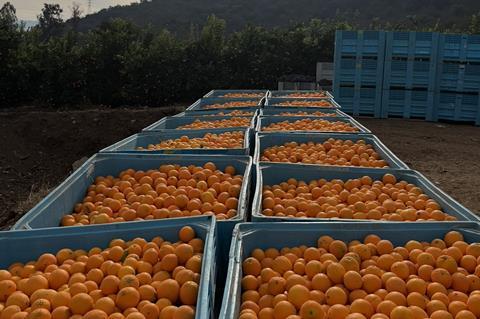
The area is an important production region for avocados, table grapes, citrus, cherries and other fresh produce for global markets.
However, long-term production resilience is under pressure, with average flows in the Aconcagua River 50 per cent below historical levels in the past 15 years and groundwater levels declining.
Prolonged drought, higher temperatures and growing competition for water are adding pressure on the basin’s resources and ecosystems.
With agriculture accounting for around 74 per cent of water demand, improving water management on farms is seen as an important part of strengthening the future of agriculture in the catchment.
The partnership includes Dole, Nature’s Pride, Salling Group and Westfalia Fruit, alongside the Aconcagua Network, which brings together 15 growers managing approximately 5,000ha of cultivated land and significant conservation areas.
The initiative is also supported by Partners for Water and the Embassy of the Kingdom of the Netherlands in Chile, helping connect private-sector action with broader technical and institutional support.
It provides a platform for companies and growers to collaborate pre-competitively on shared challenges.
This includes improving water management and regenerative practices, developing tailored transition plans, sharing knowledge and engaging with public institutions on issues that extend beyond individual farms.
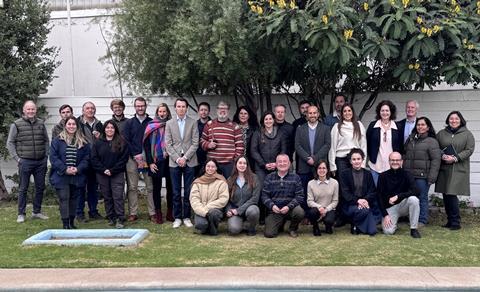
In July, members met in Chile for the partnership’s annual field visit to review progress first-hand and jointly agree priorities for the next phase.
According to the groups involved, the visit highlighted that growers are already testing and implementing a range of regenerative agriculture and water-management approaches.
One example is a trial of nano-drip irrigation, using more frequent, lower-volume irrigation to improve soil moisture while reducing water and energy use.
The visit also reinforced the need to connect farm-level action with wider catchment collaboration, the partnership confirmed.
Engagement with water authorities and other stakeholders, including through the Aconcagua water roundtable, will create channels to share knowledge and explore how evidence from the partnership can support more informed and coordinated action.
“The partnership is now moving into a stronger implementation phase, turning farm assessments and lessons from existing pilots into clear priorities for each grower, while strengthening shared monitoring and collaboration on water stewardship,” the groups involved stated.
”For companies sourcing fruit from Aconcagua, collective action can strengthen sourcing-region resilience while reducing duplication and directing investment towards locally identified priorities.
”For the wider fresh produce industry, Aconcagua offers a practical example of how growers, buyers and other stakeholders can move beyond individual sustainability programmes towards coordinated action on shared water and climate challenges,” it said.