Scientists say this year’s weather event could shape up to be the strongest in living memory
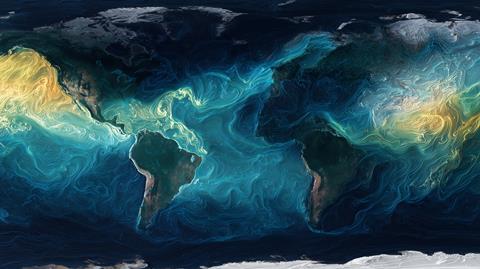
International meteorological agencies issued a warning this week about the potential formation of a “Super El Niño” during the second half of 2026, an event that could impact the climate across the planet. Studies show that South America, particularly Argentina, will be most affected, with potential disruption to agriculture, food security, and water resource management.
America’s National Oceanic and Atmospheric Administration (NOAA) said there is a 25 per cent chance that this year’s event will evolve into a “super El Niño”. How it develops will depend on the interaction between the ocean and the atmosphere in the coming months – a period of the year when climate models typically lose predictive capacity.
The latest oceanic data confirms that the 2026 weather phenomenon is intensifying below the ocean surface. According to information provided by global weather platform Meteored, current climate models estimate that there is more than an 80 per cent probability that the phenomenon will fully establish itself during the second half of 2026. Scientists say there are signs that the temperature in parts of the Pacific could rise by more than 2°C, a figure that classifies this El Niño as “strong” or “very strong”.
Frutas de Chile reports that the weather phenomenon could bring higher-than-usual rainfall and plunging temperatures this winter.
“Historically, events with this level of thermal energy have generated an increase of between 20 per cent and 40 per cent in normal precipitation for the central zone, which could mitigate some of the accumulated water deficit of the last 15 years,” it said. “However, the greatest concern for experts lies with the freezing level, which tends to be located at a higher altitude during these episodes, increasing the risk of mudslides and flooding in pre-Andean areas due to rainfall in zones where snow usually falls.”
This could be followed by an extreme increase in maximum temperatures in the spring. “Forecasts indicate that heatwaves could intensify, with temperatures frequently exceeding 33°C in the inland valleys of the Valparaíso and Metropolitan regions,” Frutas de Chile continued.
“This warming not only affects the atmosphere but also the marine ecosystem, where sea surface temperatures off the Chilean coast are expected to rise between 1°C and 1.5°C above their usual average.”
Frutas de Chile said the authorities would continue to actively monitor the situation in anticipation of potential emergencies stemming from a much more erratic and intense climate than in previous years.
In Peru, the effects of the Coastal El Niño are already being felt. Since the beginning of the year, the country has recorded sea temperatures of between 1.5oC and 2oC above normal, increasing the probability of excessive rainfall and flooding in coastal areas.
Juan Manuel Benites, executive president of the Crecer Institute and former agriculture minister, said Peruvian growers were well prepared for the phenomenon. “We have a stronger El Niño culture in Peruvian agriculture; agribusinesses take precautions and know what to expect. They understand how to work on prevention, drainage, applying products to mitigate temperature fluctuations, pest management, and so on,” he told Agraria.
He called for the authorities to take preventative efforts, such as cleaning riverbeds and strengthening irrigation infrastructure, as they did ahead of the arrival of the 2017 El Niño, thereby preventing major losses in the agricultural sector.
According to the World Meteorological Organisation, the economic fallout from the most intense recorded El Niños of recent generations – 1982/83, 1997/98, and 2015/16 were significant. The 1997/98 event, for example, is estimated to have generated economic losses of more than US$30bn and left nearly 24,000 dead, while the 2015/16 El Niño broke records for heat, droughts in Africa and Central America, and floods in South America.