Some flights have been able to reach Middle Eastern markets to supply fruit and vegetables, but global capacity has dropped as prices rise
Highly perishable fresh produce categories have felt the fallout from the Middle East conflict, as airfreight capacity has been slashed.
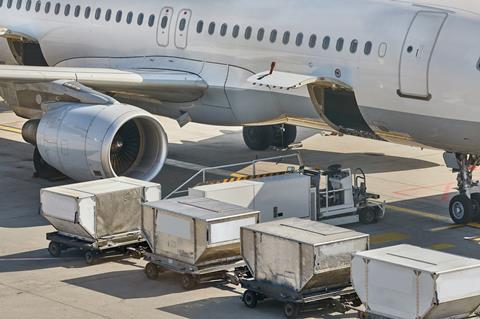
Middle Eastern carriers account for 13 per cent of global air cargo market and according to a Reuters report, data aviation and logistics consulting firm Aevean revealed that global air cargo capacity has declined by 22 per cent as a result of the conflict.
Air cargo capacity on the corridor from Asia to the Middle East to Europe has declined 39 per cent since the start of the conflict, while China-Europe flows increased by 26 per cent, Aevean said.
The decline in capacity has pushed prices up and along with a reduction in jet fuel supply, a secondary outcome of the disruption in the region.
“Everyone focuses on oil. But at the end of the day, what businesses and consumers actually use is the fuel that is refined from oil,” said CommBank head of commodities and sustainable economics Vivek Dhar.
“In particular, jet fuel prices have jumped significantly. Buyers are competing more aggressively for that, which is pushing up global prices.”
Airfreight is crucial for produce with short shelf-life and markets with low domestic supply like those in the Middle East.
Lulu Group International is one Gulf retailer that has taken a proactive approach. According to a report from Gulf News, LuLu Group organsied two special flights on 12 March to fly fresh food products from India to Kuwait, including fruits, vegetables and meat supplies for its retail operations.
The Abu Dhabi-based retail giant said additional cargo flights are also being scheduled to transport food products from different parts of India and other global locations.