South African fresh produce exporters are grappling with uncertainty as conflict in the Middle East threatens a crucial market
The picture surrounding the conflict in the Middle East and its impact on South African fresh produce exports is not yet clear.
While the country’s stonefruit and table grape marketing seasons in the Middle East are expected to wind down during the coming weeks, shipments of apples and pears have barely started.
The first lemons are also reported to be on the water.
Exporters have said it will be some time before the extent of disruptions is quantified, but it is hoped that the normal discharge ports can still be used.
“If this cannot be achieved, we will have to consider shipments via Europe and from there via Turkey to the Gulf states, but we already know that there are surcharges due to the risks of war which will dramatically increase our cost,” said one exporter.
Exporters also noted that the nature of each category will depend on what can be done to maintain supply.
“Diversion via Europe will mean that we have a 40-day voyage, which will probably mean that we cannot ship stonefruit via Europe,” the exporter explained.
South African stonefruit growers have not had it easy so far this season, with delays in the port of Cape Town and transshipments via facilities in the Eastern Cape delaying deliveries to customers in Europe, as well as adding significant costs to the export operation.
“Anger and frustration have reached a boiling point in the South African stonefruit industry after multiple logistical blunders and unprecedented wind delays caused massive financial losses for growers,” Hortgro told the deciduous industry in late December.
Since then, Hortgro has announced that it is investigating court action against the port authority, Transnet.
It has also been reported that the frustration with efficiencies at Cape Town Container Terminal has increased.
With the Middle East conflict a further blow to the South African fresh produce industry, exporters note the importance of this region for the country’s fresh produce exports.
The citrus export season will only ramp up from April onwards, but exporters note the importance of the Middle East for early lemon shipments, especially from the northern regions of the country.
“We all know that lemons are very important in the lives of consumers in the Middle East,” veteran industry leader Hannes de Waal from the Eastern Cape previously told Fruitnet.
According to 2024 shipments, South Africa exports 32 per cent of its lemons, 21 per cent of oranges and 13 per cent of its mandarins to the Middle East.
Middle East sales, in the same year, accounted for 11 per cent of apples and 17 per cent of pears.
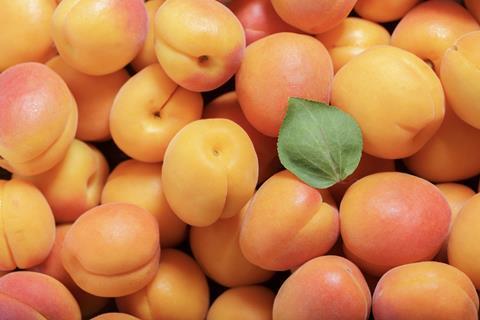
The region is even more important for apricots (51 per cent), peaches (36 per cent), nectarines (13 per cent) and plums (14 per cent).
That is why the export industry will be working feverously in the coming weeks to try and salvage the sales season in the Middle East.