Executive director Ramón Ojeda said the tournament represents a historic opportunity to boost consumption in the US
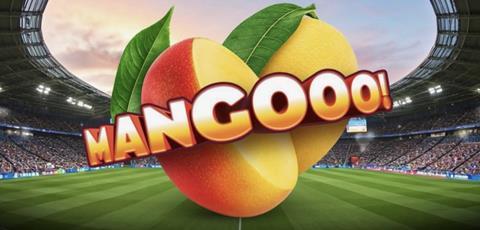
The National Mango Board (NMB) has launched a new marketing campaign linked to the 2026 Fifa World Cup to increase mango consumption and strengthen the fruit’s presence in key distribution channels.
NMB executive director Ramón Ojeda said the campaign will target both consumers and retailers in the US cities hosting World Cup matches. It will feature contents for supermarkets that create the best in-store mango displays, and consumer competitions with prizes such as televisions, video game consoles, official national team jerseys, soccer balls, and special experiences to enjoy the tournament final.
Since the creation of the NMB in 2005, mango consumption has increased by more than 255 per cent in the US, where it currently ranks 11th in the fruits most consumed by American consumers. In that time, per capita consumption has increased from around 1.8lbs to almost 4lbs.
Mexico is the leading supplier to the US, accounting for approximately two-thirds of imports – equivalent to 85 per cent of Mexico’s total mango production. Geographic proximity, logistical efficiency, and a production season that extends from January to September make Mexico a strategic partner for ensuring mango supply for much of the year. Brazil, Peru and Ecuador complement supply during Mexico’s off season.
Promotion based on the nutritional properties of mangoes has become one of the NMB’s strategic pillars. Recent studies by US universities have identified benefits related to digestive health, cardiovascular health, and proper blood sugar control.
“We want people to understand that mangoes are not only known for their flavour, but also for their nutritional value and their wide range of health benefits,” Ojeda said.
Despite the positive outlook for consumption, the industry faces challenges stemming from weather conditions.
After a record 2025, in which more than 600,000 tonnes of mangoes were sold in the US, forecasts for 2026 point to a reduction in supply due to weather events that have affected several producing countries. This situation could lead to price increases, although the NMB is confident that promotional and educational campaigns will maintain consumer interest and sustained demand for the product.