Fruit and vegetable traffic grew by 7.6 per cent in the third quarter of 2026
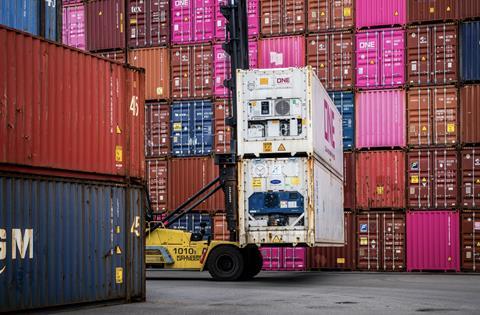
Container throughput at the Port of Antwerp-Bruges has improved significantly in the third quarter of 2026. The improved picture follows a first half of the year in which shipping was affected by adverse weather conditions, strikes in the nautical chain, and an oil spill in the Deurganck Dock.
According to the port authority, the start of the third quarter was also disrupted when a damaged container carrying hydrofluoric acid impacted operations in the Deurganck Dock.
From August onwards, however, the trend reversed. The subsequent strong volumes led to the best performance since the fourth quarter of 2020. As a result, container throughput grew by 1.2 per cent in TEUs over the first nine months of the year. In tonnage, volume remained 0.6 per cent below last year’s level. The growth was concentrated in empty containers (+11.7 per cent in TEUs), while the throughput of full containers dropped by 1.3 per cent. Rising import volumes and pressure on exports are increasing the imbalance and the need to reposition empty containers, particularly towards Asia.
While conventional general cargo throughput dropped by 16.6 per cent – primarily driven by the decline in iron and steel, CBAM, high energy costs, and weak demand weigh on the market – fruit and vegetable traffic grew by 7.6 per cent.
The ongoing conflict in the Middle East also continued to impact cargo flows at the port. Since March, no LNG cargoes from Qatar have arrived, and since mid-May, diesel supplies from the Middle East have also come to a halt. Container shipping lines adjusted their sailing schedules and developed alternative routes to serve the region. As a result, container exports to the Persian Gulf fell by 70 per cent, while those to other parts of the Middle East nearly quintupled.
Rob Smeets, CEO Port of Antwerp-Bruges, commented: “The strong recovery of container throughput in the third quarter shows the resilience of Port of Antwerp-Bruges. Simultaneously, the operational context remains challenging.
“Trade barriers, high energy prices, and a weak European industrial sector are putting pressure on several cargo flows. That is why we need to keep investing in efficiency, capacity, and competitiveness so that Port of Antwerp-Bruges can continue to serve as a logistical and industrial powerhouse in a volatile context”.