The South African government has announced sweeping transport reforms – but will they make a difference?
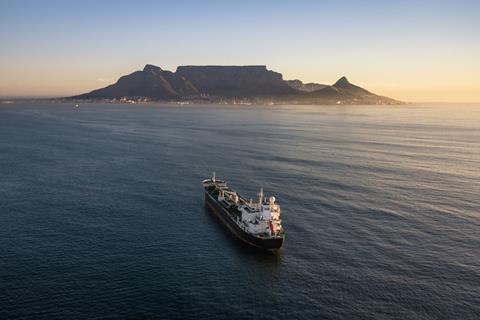
After the Port of Cape Town’s poor performance during this year’s stonefruit, table grape, and apple and pear export seasons, exporters are wondering if the latest statements from the government on its plans for rail and logistics reform will change anything.
Speaking at the inaugural National Transport Conference in Johannesburg, the country’s president Cyril Ramaphosa said that the government has positioned rail reform and logistics recovery at the centre of South Africa’s economic strategy.
Ramaphosa outlined a series of policy, operational and investment measures where he emphasised that transport is fundamental to economic performance, competitiveness and inclusive growth.
Addressing government, regional and industry stakeholders, the president said that inefficiencies in logistics are costing the South African economy close to R1bn per day, underscoring the urgency of reform across rail, ports and broader supply chains.
Fruit exporters and leading growers said they will have to see what happens next – particularly because inefficiencies and lack of equipment at the port of Cape Town has resulted in the worst logistics performance of recent years.
“Everything that goes wrong is blamed on the wind while growers have to pay the cost when their fruit arrives at customers in bad condition because of delays in the logistics chain,” one exporter noted.
Ramaphosa said that on the maritime side, the country’s ports are being positioned to respond to shifting global trade dynamics, particularly considering disruptions to traditional shipping routes.
“With over 90 per cent of trade by volume moving by sea, port performance remains a strategic priority,” he outlined.
The address also referenced broader continental integration initiatives, including the African Continental Free Trade Area and the Single African Air Transport Market, highlighting the need for improved connectivity across all transport modes.
Ramaphosa concluded by proposing the establishment of a permanent Transport Council, bringing together government, private sector stakeholders and service providers across rail, road, maritime and aviation.
This structure is intended to replicate the collaborative model used in the energy sector to stabilise and reform critical infrastructure.
The inaugural conference was positioned by the government as a turning point, seeking to align policy, investment and operational reforms to deliver a modern, efficient and inclusive transport system capable of supporting economic growth and regional integration.
Given recent experiences, fresh produce exporters and growers said they will have to see dramatic improvements before confidence will return in the Port of Cape Town.