Edible legumes may have a role in helping farms defend against future challenges posed by climate change
Scientists from the University of East Anglia are exploring how reintroducing edible legumes into UK crop rotations could help make farming systems more resilient to climate change, as crops continue to struggle against soil pressures, fertiliser costs and changing disease and pest risks.
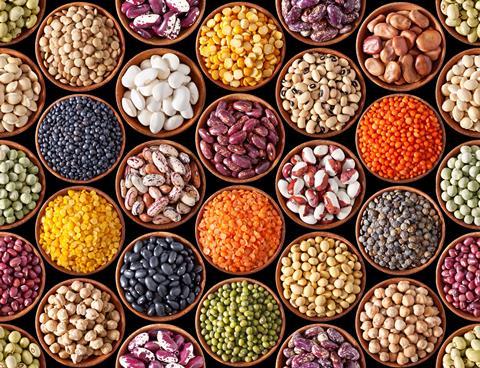
Legumes can fix nitrogen in soil, potentially reducing reliance on synthetic fertilisers while supporting short- and long-term soil health.
The project, led by Madalitso Mgunda, a postgraduate researcher from Malawi at UEA’s School of Global Development, will focus on whether edible legumes can be reintroduced into rotations dominated by wheat, oilseed rape and potatoes.
Combining interviews with farmers, processors and industry stakeholders, the research will also consider what changes in markets, processing, supply chains and farm practice would be needed to make UK-grown edible legumes a more realistic option for growers.
Mgunda said legumes have been used extensively in soil until the mid-20th century before synthetic chemical fertilisers became widely available. Legumes can also boost microbial activity and increase soil organic matter, supporting optimal crop yields.
She added: “Legumes have enormous potential to contribute to more resilient farming systems, healthier diets and lower environmental impacts, but their production remains limited.
“This research will explore the realities facing Norfolk farmers and the wider supply chain, helping to identify what changes would be needed to make legume production a more viable option in the future.”
Professor Nitya Rao, director of the Norwich Institute for Sustainable Development, said legumes offered environmental sustainability and farm resilience. “Legumes offer significant opportunities to improve environmental sustainability and farm resilience, yet questions remain about how these crops can fit within existing systems.
“This project will provide valuable insights into the practical conditions needed to support wider adoption.”