Fred Searle explores the sector growth and market potential for medical cannabis in the Channel Island, drawing comparisons with glasshouse vegetable production and the famous Jersey Royal
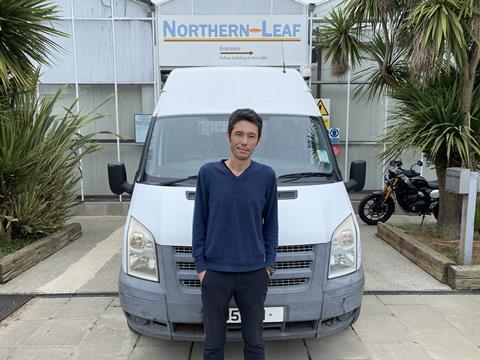
Potatoes, dairy, and tax breaks for the super-rich. These are the things most people associate with the Channel Island of Jersey. But a new horticultural sector is emerging in the Crown Dependency – medical cannabis – and after a tumultuous start, the nascent industry is finding its feet.
Jersey’s largest cannabis grower, Northern Leaf, has capacity to produce up to 10 tonnes of dried flower a year – strictly for medical prescriptions, and all exported to Europe, mainly Germany and the UK. It makes use of a 100,000 sq ft former tomato greenhouse in the parish of St Lawrence. Jersey’s once celebrated tomato sector scaled back production and ceased exports to the UK in 2008 – due to rising fuel costs, lost subsidies, and global competition – leaving behind infrastructure that has since been redeployed.
Medical cannabis is big business, with the global market valued at over $20 billion. The sector is viewed as a major economic opportunity for Jersey, which has its own government and retains judicial independence from the UK. In 2019 its parliament, the States Assembly, voted to legalise medical marijuana, paving the way for major investment in cannabis production in the island.
Although Jersey Royals are still by far the biggest horticultural export from the Channel Island, Northern Leaf’s CEO Steven Tan says the business generates roughly a quarter of the Jersey Royal revenue on just a fraction of the land, underlining the financial potential of the sector.
Northern Leaf had a volatile first five years in business and by 2024 was teetering on the brink of insolvency, before being rescued by new owners and a new management team. Tan was appointed CEO, bringing 15 years of experience in cannabis genetics and large-scale cultivation.
Under his leadership, the company’s revenue is projected to grow from around £6 million in 2025 to £10mn in 2026. As a whole, Jersey’s cannabis sector generated more than £12mn in 2025, attracting nearly £50mn in investment and making a profit for the first time.
Unfortunately for Northern Leaf, competition is rising in the German market from producers in South Africa and Colombia, which has emerged as a global powerhouse in medical cannabis production thanks to cheap labour, ideal equatorial climates, and simplified regulations.
Nevertheless, Tan is optimistic about the future of medical cannabis production in Jersey, noting that it is quicker and easier to gain a production licence in the island than the UK mainland.
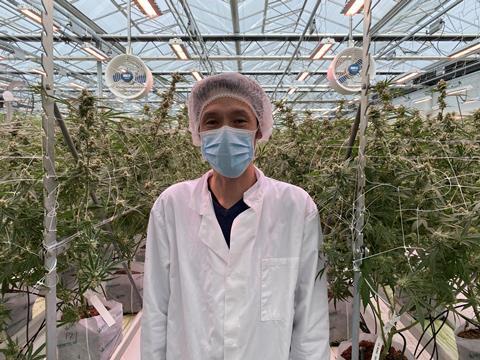
In terms of demand, Jersey already has a significantly higher proportion of medical cannabis users than the UK mainland – six per cent of the population versus to 0.2 per cent. And Tan is convinced the Crown Dependency will introduce a pilot programme for legal recreational use in the coming years, with a view to bringing Jersey in line with Canada, Uruguay and certain states in America. “Jersey will be first, and then maybe the UK will follow,” he predicts, explaining that Jersey is smaller and easier to manage, providing the perfect test bed.
This would open up new opportunities for production in the island, but the capital required to set up a cannabis farm is vast – from the LED lighting to the HVAC units, driers and everything in between. As with the glasshouse production of tomatoes, cucumbers and other crops, energy is a huge cost for Northern Leaf, accounting for a third of total outgoings, alongside labour (another third).
“My price is driven by energy and utilities,” Tan says. Like the glasshouse vegetable sector in the UK, he is trying to lobby Jersey’s government to introduce a lower industrial tariff for medical cannabis producers in the island.
Looking ahead, there is significant appetite for investment in the medical cannabis industry internationally, driven by projections of rapid market growth and shifts towards marijuana use in mainstream healthcare. But Tan urges caution, describing the global cannabis industry as a “messy” one.
“Half of the companies I’ve worked for in the last eight years have gone bust,” he says. “I watched one company lose €20 million in nine months. It isn’t ‘Steve’s magic dust’. It’s a gold rush with a much messier bunch of kids playing.”
He explains that in recent years there have been a lot of “immature players” in the market – producers with a “passion for the plant” or a desire to make quick money, but limited knowledge of how to grow cannabis properly or run a successful business. That is starting to change, Tan says, with a new generation of owner operators emerging with greater experience and a more calculated approach.
When it comes to medical cannabis production on Jersey, the Northern Leaf boss argues that a collaborative approach is needed to help the sector grow and establish Jersey as a global biopharmaceutical hub.
“We have a board here called the Jersey Biopharmaceutical Council, which consists of six cultivators,” says Tan. “I’m kind of leading that organisation because I don’t want to be alone here. The island is very organised and we all work together. At this early stage in the industry’s development in the island, businesses can and should be collaborative.”