Fresh produce businesses will be left to face soaring energy costs alone after further expansion to industrial protection scheme excludes sector
The government has defended its decision to exempt horticulture from an expanded list of designated energy intensive industries that would protect companies from rising costs due to the Iran war.
The British Industrial Competitiveness Scheme (BICS) was expanded yesterday (April 16) to include 10,000 manufacturers, while excluding the agricultural sector.
The new measures will cut electricity bills by up to 25 per cent for a wide range of businesses.
Business secretary Peter Kyle told BBC Breakfast yesterday that his department is “watching very closely” how rising costs are impacting different parts of the economy.
“We’ve been really clear that we are going to target as much as possible that we will be supporting the businesses in most need,” he told the BBC. “And we’re looking very carefully at how the economy in very great detail when it comes to resilience, supply chains.
“Most businesses will be hedging their energy costs. They will be in contracts that will last for three months, a quarter, six months or a year,” he said.
”So we are watching very closely how the rising energy costs as a result of the war in Iran does impact different parts of the economy in different ways.”
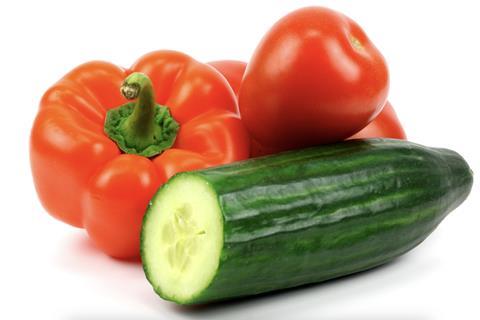
Trade bodies for sectors including tomatoes, peppers and cucumbers, where protected horticulture systems rely on inputs including gas and energy, have been lobbying vocally across the mainstream media in recent days.
In response to yesterday’s news, the British Tomato Growers Association (BTGA), said: “The government has recognised the crisis that energy-intensive industries are in with the highest energy costs in Europe.
“Yet again, horticulture [is] not included, as this scheme only benefits members of the EII scheme, which our British glasshouse industry is not included in.
“We again plead with Defra and Department of Business to think again about food production and specifically food security to encourage expansion and investment, not managed decline, offshoring glasshouse crop production to the EU due to policy decisions.”
NFU president Tom Bradshaw called the exemption “deeply frustrating”.
“Parts of the horticulture sector, for example, are incredibly energy-intensive growing tomatoes, cucumbers and peppers in heated glasshouses, and are grappling with the same global price volatility as any factor – yet are being left to face these surging costs alone,” he said.
“By excluding farming, the government is effectively putting a handbrake on investment and our ability to produce a supply of sustainable, high-quality food ministers claim to support. This is a major missed opportunity to bolster national food security at a time of significant geopolitical uncertainty.”
Bradshaw said the government must review the eligibility criteria for the BICS “as a matter of urgency”, as well as looking again at increases to electricity standing charges that are hitting horticulture businesses as of changes this month, or risk fruit and veg becoming too expensive to grow.
“If we want a resilient domestic food system, we cannot continue to treat farming as an optional extra in industrial policy,” he said.
It comes as a report in The Times suggested the government is modelling scenarios for the impact on food and farming if the Strait of Hormuz, a key export route for oil and fertiliser components, remains closed.
In response, retailer bosses, including Tesco CEO Ken Murphy, said the company is not facing any current supply issues, and that none of its growers or suppliers had reported risks so far.