The UK is “sleepwalking” into a food crisis, food experts warn the government in a co-signed letter demanding urgent action
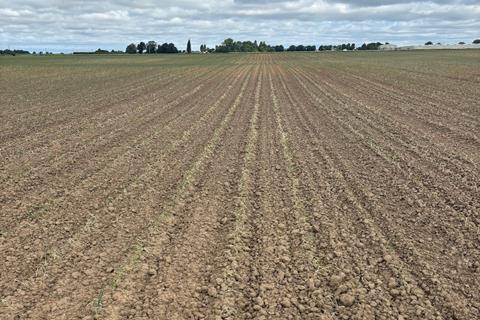
The combined impact of extreme weather, inflation and the US-Israeli war on Iran are a national security risk for the UK, according to signatories to a letter to ministers from a group of food experts, who say the government is failing to take the threat seriously, the Guardian has reported.
In the letter, the experts call for an update to the national food strategy to factor in a future of higher temperatures and weather extremes.
The nine signatories include Mike Barry, former director of sustainable business at Marks & Spencer, Anna Taylor, executive director of the Food Foundation, and Lee Stiles, secretary of the Lea Valley Growers’ Association.
The three priorities highlighted in the letter concern a resilient domestic production of healthier food, better preparedness for supply chain shocks, and universal access to safe, affordable and healthy food.
Tim Lang, professor emeritus of food policy at City St George’s, University of London, told the newspaper: “This government has received serious scientific, intelligence and policy advice that it should take significant action on food security, but it keeps signalling all is OK. It’s not. Whether we see food security as an issue of escalating food poverty and deepening cost of living squeeze or as the ‘hard’ version of security as defence, there are no grounds for complacency.”
Another signatory, retired general Richard Nugee, commented: “There is the potential for disruption, of supply chains and of supply, and [the UK may not be able] to provide the sufficient food at the right price for its people. That is a national security issue.”
The government has been urged to consider “large-scale national food stockpiling” by the Climate Change Committee (CCC) in order to stave off future supply disruptions.
By 2050, the report stated, “simultaneous crop failures in multiple major producer regions, or significant disruption of food supply chains, could lead to increased food prices and more volatile inflation”.
The committee suggested a target for domestic food production to be “sustainably maintained at 60 per cent at least” until 2050. Tim Lang believes that figure should actually be closer to 80 per cent.
Over the coming two years, the report also recommended incentives for farmers to store water on their farms, improve their practices and vary what is produced to adapt to a changing climate.