Without adaptation support for farmers, soils and food security expected to worsen across country
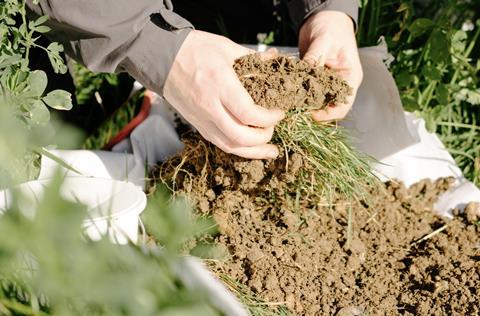
A report from the Soil Association Exchange has revealed hot spots in the East of England where soils, and food security, are especially at risk, and warned that the same plight could befall the rest of the UK without support for farmers against the impact of climate change.
The Farm Resilience Report drew on data and samples from 1,400 farms and found that soils were more vulnerable in the region most affected by the changing climate. In the East, 24 per cent of soil samples were found to be “at risk”, with low levels of organic matter necessary for retaining nutrients and moisture, compared with 9 per cent nationally.
“The report highlights how similar levels of drought seen in the East are expected to move west over the next decade, as impacts of climate change increase,” Soil Association Exchange stated. “But the report also offers ‘a message of hope’. Farmers who have adopted more diverse, nature-friendly practices that protect soil are seeing better results.”
The data collected identified other hotspots of risk across the country, with 17 per cent of soil samples in the West Midlands registering low levels of organic matter. Some regions performed better, including Scotland (5 per cent) and the South West (4 per cent).
“What is working well in the East today is what much more of the country will soon need,” predicted Joseph Gridley, chief executive of Soil Association Exchange. “But we need that change to go faster, and farmers need help to break the cycle. They face a double squeeze with rising production costs and a rapidly changing climate, so support must come from the businesses that depend on the supply. The scale of what’s needed here isn’t just a sustainability question, it’s a matter of national resilience.”
Farmers using artificial nitrogen fertiliser generally have lower soil organic matter, the report warned, pointing out that healthier soils more resilient to drought and flooding were found where farmers were carrying out nature-friendly practices.
Programmes where supply chains had incentivised farmers to change practices had seen farmers taking up the challenge, the report concluded, with positive results.
“As our winters get wetter and our summers get drier, we need to scale up the practices that we know deliver resilience right across the UK,” Gridley said. “Farmers want to make more changes to support their business and the environment. But they need sound advice and financial incentives from supply chains that reduce the risk of trying something new. Those that moved early, providing money and guidance from our experts, are already building more resilient supply chains. The case for acting is now as commercial as it is environmental.”