The UK market has seen a rise in citrus sales over the past year, but all eyes are now on how logistical disruptions in the Middle East are affecting trade flows
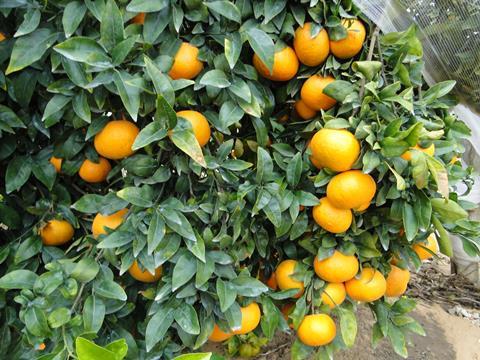
Citrus sales in the UK market grew by 3 per cent in volume and 8.5 per cent in value in the year to 22 March 2026 compared with the previous 12 months, according to Worldpanel, but the crisis in the Gulf is what’s currently dominating the trading environment. Sales exceeded £961mn over the year, but the increase was driven primarily by price inflation.
Major suppliers to the UK include Spain, South Africa and Brazil, with Egypt gaining significant market share post-Brexit, especially in oranges. However, conflict in the Middle East is disrupting logistics and leading to soaring costs, according to Ahmed Ghazy, export manager Egypt at BGP International. In response, exporters are taking action, including choosing the most robust varieties to last the journey.
“Valencia oranges have shown great resilience to prolonged shipping times, making them a preferred choice,” said Ghazy. “Exporters are adopting strict sorting standards, both manual and automated, to ensure quality and freshness. Expanding the use of refrigerated containers also helps maintain optimal conditions during transit.”
“In oranges, there has been an oversupply for the last number of weeks, pulling prices down,” revealed Lee Parkinson of the UK’s Pacific Produce. “However, prices are slowly increasing in the UK as we move closer to May, which is a good sign for Egyptian exporters. We are starting to see a pull from Spain for Egyptian fruit so this will further inflate prices.”
As Northern Hemisphere late mandarins come to an end, Satsuma arrivals to the UK from Peru and South Africa have begun. “Clementine shipments have started a little earlier from South Africa,” said Parkinson. “The expectation is that Nadorcott will be earlier this year, which will be welcomed by consumers.”
Rob Cullum of Pacific Produce said the service from Brazil to the UK for limes has been erratic for the last six months. “Delays of one week are almost guaranteed and in many cases can extend to three or even four weeks,” he revealed. “This is critical for lime quality and has caused huge problems.”
Delays have been a factor since before the Iran war. “Now, on top of a poor service, the fuel and container charges are a kick in the teeth,” said Cullum. “We are a multi-country, multi-region supplier so we are constantly juggling the situation to keep our customers supplied with fruit.”
He said the lime category is growing slowly but remains sensitive to both weather conditions and disposable income, since a large percentage is used in drinks. “Will we see demand shift this summer as people holiday at home or avoid certain regions because of safety or flight worries?” he wondered.
In the lemon category, significant volumes destined for the Middle East were instead redirected to the UK market, according to Parkinson. “In a normal year this might destabilise things, but as this was early fruit, it has been welcomed by the market,” he said. “Argentina has started shipments which will help with supply to Europe, but prices for export from both South Africa and Argentina remain high.”