The California Avocado Commission says strong retail partnerships, marketing programmes and a new grower-led campaign are driving demand
The California Avocado Commission’s (CAC) mid-season forecast has confirmed that the projected harvest still aligns with its original estimate of 330mn pounds of avocados.
The state’s volumes ”ramped up significantly” in May and June to satisfy consumer demand, CAC noted, bolstered by the Commission’s increased focus on customised support for US retailers who merchandise fresh, in-season California avocados.
“We have had very positive responses from retailers about this year’s demand-building marketing programmes and a renewed emphasis on customised programmes for retailers,” said Ken Melban, CAC president.
“We’re seeing impressive results in distribution and seasonal commitments.”
CAC explained that its retail support programmes this season include customised display bins and signage featuring California avocado growers, in-store and online digital advertising, connected TV/streaming video, digital coupons, sales contests, ad flyers, demos and social media outreach.
Customer-specific programmes include social media series, e-newsletter integrations and activations with local influencers, the Commission outlined.
California avocado consumer advertising continues to support the brand through the summer in targeted markets.
In addition to connected TV/streaming video, digital and out-of-home media will reach target consumers with CAC’s ’Voice of the Grower’ campaign, described as an “authentic evolution of CAC’s marketing efforts” that showcases growers talking about their avocados in their own words.
Performance of targeted ads via an online shopping delivery service are exceeding the CAC’s expectations, it confirmed.
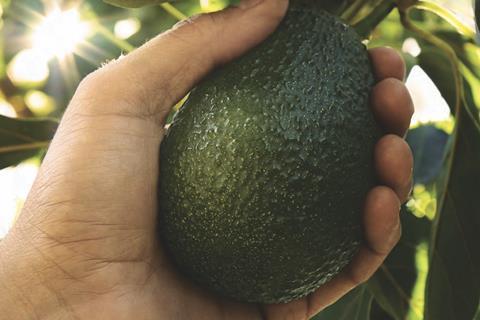
“This year’s crop of fresh, responsibly farmed California avocados is showing good sizing with outstanding quality,” said Melban.
“With about 100mmn pounds still to be harvested, now is an excellent time for retailers to promote this locally grown fruit and to support domestic agricultural production.”