Ifco’s 2026 ESG report marks its first progress update against 2030 sustainability targets, highlighting 2.6 billion container trips completed and record carbon savings achieved through its circular business model.
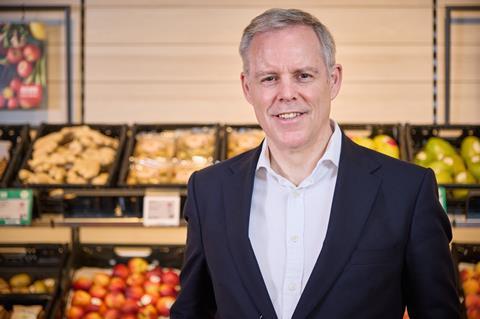
Reusable Packaging Container (RPC) specialist Ifco has launched its environmental, social and governance (ESG) report for 2026.
According to the group, the report presents its first progress against the 2030 goals introduced through its ’Thriving with Purpose’ strategy.
The report brings together Ifco’s full-year results, customer stories, and examples of how the group is advancing sustainability across the business.
Highlights of the report include that fact that 2.6bn trips have completed by Ifco reusable packaging containers; that there has been an 11 per cent reduction in material greenhouse gas emissions; and that a record 833,000 tonnes of CO2e emissions have been avoided by customers compared with single-use packaging alternatives
“Our purpose is simple: making the fresh grocery supply chain sustainable,” said Michael Pooley, chief executive of Ifco.
”ESG is central to how we deliver on that purpose and a key driver of long-term value creation.
”As customers increasingly seek sustainable and resilient supply chain solutions, our circular business model creates opportunities for growth,” he added.
Customers using Ifco RPCs avoided 58,270 megalitres of water, 1,477 kilotonnes of solid waste, and 76,680 tonnes of product waste.
Within IFCO’s operations, water consumption per a crate fell by 3 per cent, and Ifco-operated service centres used 100 per cent renewable electricity.
”Our progress reflects the combined efforts of Ifco and our customers to bring more reusable packaging into circulation while reducing environmental impact,” said Iñigo Canalejo, chief sustainability officer at Ifco.
”By investing in cleaner energy and more efficient operations, we reduced emissions while helping customers achieve measurable environmental savings.
”This progress puts us on a solid path to achieving our 2030 goals,” he added.