Weather conditions, strikes and geopolitics hit container traffic during the first quarter of 2026, but investments to strengthen capacity remain a priority
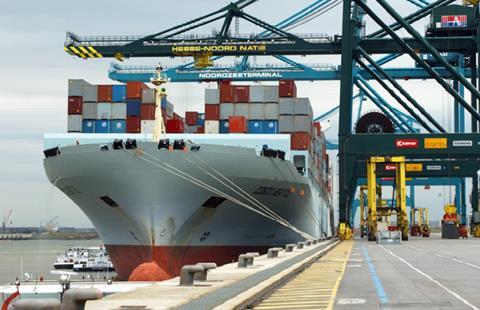
Port of Antwerp‑Bruges said the results for the first quarter of the year reflected a “complex combination of factors, including adverse weather conditions, social actions, geopolitical tensions and a weakened European industrial base”.
The port handled 65.5mn tonnes of maritime cargo over the period, a year-on-year decrease of 3.2 per cent, as container traffic took a hit.”
“A snowstorm and prolonged cold spell in January, followed by severe storms in the Bay of Biscay until mid‑February, disrupted shipping and terminal operations,” the port said. “A four‑day strike against pension reform also had a significant impact. The interruption of the nautical chain led to the diversion of several vessels to other ports and to planned call-sizes that could only be partially handled due to a lack of spare terminal capacity.”
Overall, Port of Antwerp-Bruges estimated that 100,000 TEU (around 1.1mn tonnes) of container throughput was lost. “From mid‑February onwards, and particularly in March, volumes recovered, once again highlighting the need for additional container handling capacity,” it stated.
The direct impact of the conflict in the Gulf was limited to longer sailing times via the Cape of Good Hope over the period. “The decline in imports from and exports to and from the Persian Gulf, of respectively 12 and 49 per cent, during this period can largely be attributed to weather‑related disruptions,” the port pointed out. “From the end of March onwards, however, the first effects became visible. On 23 March, the last LNG tanker so far from Qatar arrived in Zeebrugge, and container lines adjusted their sailing schedules towards alternative ports in the Middle East and the eastern Mediterranean.”
The biggest impact of the war and subsequent blockade of the Strait of Hormuz is indirect, the port said, through rising energy and fuel prices.
“These increased bunker and transport costs and further weaken the competitiveness of European industry. At the same time, low European gas storage levels – which will need to be replenished ahead of next winter – and disruptions in supply chains for certain products are creating additional uncertainty and inflationary pressure,” it stated.
Nevertheless, investments in the future continue apace. Chinese manufacturer Windrose is developing its first European flagship site for electric trucks in Antwerp. Meanwhile, the port is strengthening its operational capacity with the modernisation of the Europa Terminal in order to handle the world’s largest container vessels.
Rob Smeets, CEO ad interim Port of Antwerp-Bruges, commented: “We are seeing the impact of geopolitical tensions, disruptions in supply chains and the difficult position of European industry. At the same time, this underlines the importance of a robust and agile port infrastructure. By continuing to invest in capacity, sustainability and efficiency, we are strengthening our role as a reliable link in international trade – even in an increasingly complex environment.”