South Africa’s apple industry has marked a historic milestone with the planting of only the fourth known Witte Wijnappel tree in the country
The South African fruit industry is known to celebrate major milestones in its history by planting trees at historically important venues.
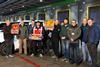
This week, leading apple and pear exporter Tru-Cape celebrated 364 years of apples in South Africa by planting a Witte Wijnappel (white wine apple) tree in South Africa at Jan van Riebeeck High School in Cape Town, which also formed part of the school’s centenary celebrations.
The Company Gardens, located close to the seat of government in Cape Town, is the place where the first fruit trees were planted and historic moments have regularly been celebrated.
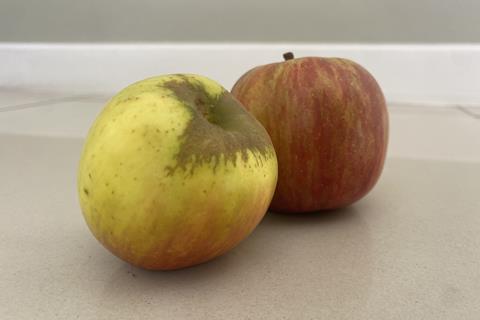
It is only the fourth known Witte Wijnappel tree ever planted in South Africa, and Tru-Cape is playing a leading role in retaining the fruit’s heritage in South Africa.
The Witte Wijn apple cultivar is the very variety planted by Jan van Riebeeck in Cape Town more than three centuries ago.
On 17 April 1662, Van Riebeeck recorded in his diary that he had picked the first two Dutch apples at the Cape from a five-foot Witte Wijnappel tree.
From those humble beginnings, the industry has grown into a global success story.
“Today, South Africa is home to approximately 45mn apple trees and produces 1.3mn tonnes of apples annually, making us the largest apple exporter in the Southern Hemisphere,” said Jeanne Fourie, new variety specialist, during the tree-planting ceremony.
Tru-Cape outlined that South Africa exports apples to more than 100 countries, with the industry supporting more than 240,000 jobs.
“The apple industry makes an extraordinary contribution to our country’s economy,” Fourie noted.
The journey to reintroduce the historic Witte Wijnappel cultivar to South Africa has been years in the making.
Tru-Cape’s quality assurance manager, Henk Griessel, an alumni of Jan van Riebeeck High School, and colleague Buks Nel, undertook extensive research into the origins of South Africa’s apple industry.
Their work led them to the archives of the Vereenigde Oost-Indische Compagnie in Holland and centuries-old illustrated pomological texts, ultimately tracing the cultivar to two surviving trees in a private garden between the Rhine and Maas rivers in the Netherlands.
“Sadly, the area was heavily bombed during the Second World War, and it is a true miracle that the apple trees survived,” Fourie said.
Despite South Africa’s strict plant import regulations, plant material was eventually brought into the country and successfully established.
Prior to this latest planting, only three Witte Wijnappel trees existed locally – at Tru-Cape’s heritage orchard in Grabouw, at Babylonstoren, and in the Cape Gardens.