Country aims to develop smart farming systems to boost yields, preserve soil and water, help producers adapt to climate change, and strengthen food security
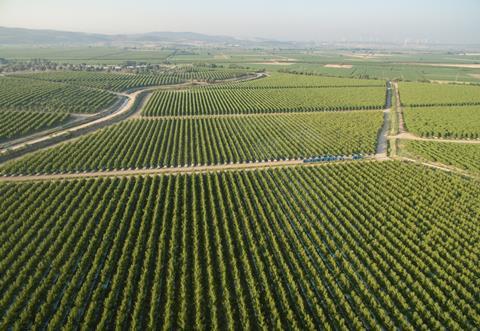
Through an initiative coordinated by the General Directorate of Agricultural Research and Policies (TAGEM), Turkey is developing smart farming systems as it seeks to modernise each stage of the food supply chain, according to a report in Hurriyet Daily News.
Autonomous vehicles, precision soil cultivation machinery, robotic solutions, smart irrigation systems, Artificial Intelligence, greenhouse automation and vertical farming are all reportedly being explored.
“Satellite imagery, sensor data, field studies and experimental results are being integrated and analysed, with findings translated into actionable policy recommendations for producers and decision-makers,” Hurriyet Daily News stated.
AI is expected to accelerate digitalisation in plant production, with the ministry set to unveil Turkey’s first Digital Soil Map, which will offer reliable, up-to-date data for land-use planning and agricultural strategy development.
An Artificial Intelligence and Agricultural Technologies Research Centre is set to drive data-based decision-making, while a national AI Strategy Document for agriculture will be published later in the year to outline the ways to create a robust “smart farming” ecosystem.
Hurriyet Daily News stated that research and development in agricultural technologies had gained momentum due to the collaboration of government, universities, research institutes and the private sector.
“Satellite monitoring of farmland and natural resources, renewable energy integration, autonomous machinery and advanced irrigation techniques are among the projects being promoted,” the report explained. “By embedding technology into processes such as irrigation, cultivation, harvesting, fertilisation, storage and crop protection, efficiency and productivity are expected to rise significantly.”
The approach is aimed at boosting yields, supporting the preservation of soil, water and biological resources, helping producers adapt to climate change and strengthening food security.