Wholesalers are reporting shortages of Israeli produce and warn ‘extreme costs’ will be passed on, as inflation is expected to hit homegrown salad veg and retail food prices within six weeks
Wholesale and retail fresh produce prices are set to rise due to the ongoing conflict in the Middle East while supply of some lines are already short.
Cucumbers and tomato prices could go up within the next six weeks, according to the NFU president Tom Bradshaw, speaking to the BBC this week, as wholesale gas prices start to impact glasshouse growers at peak season.
Meanwhile wholesalers at London’s New Covent Garden Market are struggling to import produce from the Middle East region, and have warned supply disruption could see higher prices passed on to customers.
“Our normal supply chain is broken in places and we’re seeing product shortages, which is meaning we’re having to find alternative suppliers,” said managing director of Le Marché, Marcus Rowlerson.
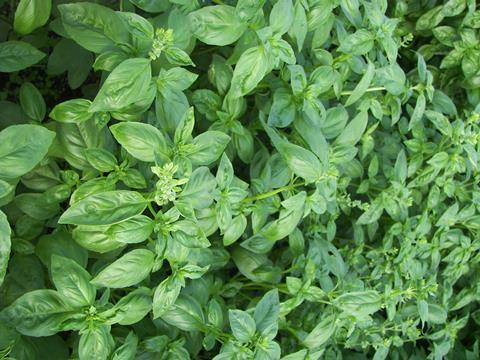
“We’re having to work a lot harder to get produce. For example, we source most of our basil from Israel, which is obviously causing great difficulty,” he said.
While traders are not currently passing on “extreme costs” due to supply disruption, prices will inevitably go up, Rowlerson added.
“Eventually, customers will unfortunately feel these price hikes, but maintaining the highest quality for our customers remains our priority,” he said.
The news comes as the Prime Minister held a Cobra meeting this week (23 March) to discuss how the Middle East war will impact the cost of living in the UK.
Concerns about food prices were expected to be discussed, along with fuel, household energy bills and how to limit profiteering from the crisis.
In retail, food prices are widely expected to rise once higher oil, energy and fertiliser costs filter through the supply chain.
The Strait of Hormuz, a key Gulf shipping route for fertiliser and crude oil, has been severely restricted since the outbreak of war between Iran, the US and Israel.
“February delivered one of the wettest months on record, yet shopper sentiment still saw a modest lift thanks to easing inflation,” said CEO of the IGD, Sarah Bradbury.
But she warned the outlook for March is “deteriorating”. “The OBR’s latest forecast downgraded near term growth, whilst the conflict in the Middle East is strengthening concerns over fuel costs, which could impact food price inflation, if the situation continues,” she said.
Take-home grocery sales rose by 3.4 per cent in the four weeks to 22 February 2026,, partly due to an increase in like-for-like price inflation to 4.3 per cent, after it had fallen for the previous four months, according to Worldpanel by Numerator figures.


