In the UN’s International Year of the Woman Farmer, Agraya reflects on the challenges that women face across global value chains
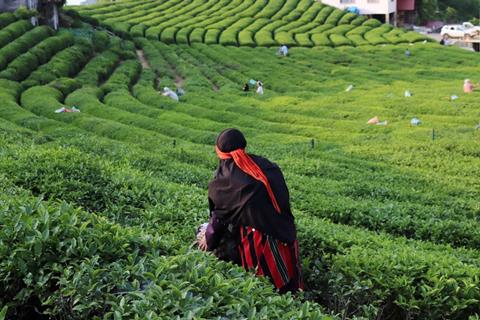
On International Women’s Day on 8 March, Agraya is reaffirming its commitment to challenging discrimination and supporting gender equality.
International Women’s Day is observed worldwide as a moment to recognise women’s achievements and to highlight ongoing challenges related to gender equality and the obstacles that women face in their daily lives.
In global agriculture, from managing farms to leading cooperatives and driving innovation in rural communities, women help build resilience across farming communities, contribute to food security, and support the long‑term viability of agricultural systems. Nevertheless, many continue to face structural barriers, including limited access to land, financing, technology, and networks.
Agraya’s CEO, Elmé Coetzer‑Boersma, makes a direct connection between these challenges and the organisation’s aims: “At Agraya, our purpose is to shape a sustainable future where agriculture strengthens communities and protects ecosystems with lasting impact. And women are equally central to that work,” she said.
“On International Women’s Day, and during the International Year of the Woman Farmer, we at Agraya highlight the essential role women play in global agricultural supply chains. Across our work with farmers, producer groups, and value chain partners, we see where progress is required.
“Women’s contributions are often undervalued, and access to resources remains unequal. By supporting farmers and communities worldwide with guidance on discrimination‑free agricultural production processes, we actively help uplift women farmers in their communities. Building on our expertise with additional initiatives like our Agraya Changemaker Awards, we expand on opportunities to reflect and recognize women’s leadership and daily achievements in global farming value chains.”
Agraya Changemaker Awards
Agraya will further reaffirm its commitment to supporting efforts that strengthen the equality and visibility of women farmers through the Agraya Changemaker Awards 2026. Initially launched in 2024 in Warsaw, Poland, the next ceremony will take place in Bologna, Italy as part of the Agraya Summit 2026.
Closely aligned with the International Year of the Woman Farmer, the award together with a set of summit agenda discussions focused on the topic of women farmers will seek to highlight initiatives, elevate the voices driving change, and encourage collaboration toward a more resilient and transparent value chain.
Stephanie Finkbeiner, chief sustainability officer at Edeka Zentrale Stiftung & Co and one of the members of the 2026 Changemaker Awards jury, said: “Sustainable change can only succeed if all parts of the supply chain work together. As a jury, we are looking for projects that highlight the contributions of women farmers and strengthen their role within agricultural value chains”.
Alongside Finkbeiner, the 2026 Changemaker Awards jury also includes Diana Gaglietti (agri‑food consultancy and auditing), Christy Slay (CEO, The Sustainability Consortium), Manal Saleh (Blue Moon, consultancy and training for smallholders), and Felipe Fuentelsaz (Markets and Standards, WWF España), ensuring diverse and globally balanced recognition.
Call for applications – Changemaker Awards 2026
The Changemaker Awards encourage entries that showcase initiatives advancing the vital role of women in agriculture and the efforts helping to overcome the barriers they encounter. Applications can be submitted via agraya.com/changemaker-2026. The application page includes eligibility criteria, timelines, and guidance for submitting proposals.
Applications will be accepted until 15 May 2026.
“We support women farmers thrive in their communities and networks, but also in their everyday lives. By fostering their long‑term potential, the agricultural sector can unlock innovation, strengthen rural communities, and build more resilient global value chains for the future,” Coetzer-Boersma concluded.