Netherlands-based organic importer-marketer is focusing on supermarket juice machines for its Peruvian citrus
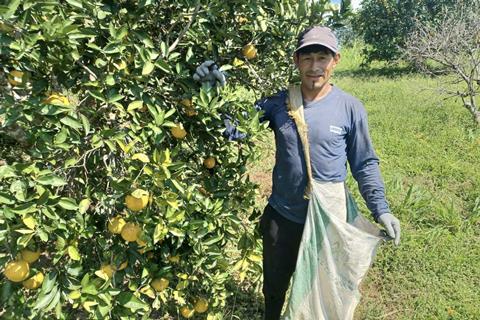
Eosta has revealed that it is targeting growth for its Organic Raingrown Oranges in the grocery retail fresh juice segment.
The oranges are now in their second season from Peru, the Netherlands-based organic fresh produce importer-marketer noted.
Eosta explained that the move is driven by the oranges’ high-juice content and increasing consumer concern surrounding pesticide residues on fresh fruits.
The fruit is cultivated entirely using natural rainfall, without irrigation, which reduces pressure on local water resources while ”still delivering on flavour and quality”.
Following a successful first season with Peruvian citrus cooperative Kivinaki, Eosta said it is now aiming to take advantage of the Jucy Gold oranges’ high juice content and good Brix levels by actively seek to grow in the fresh juice machine market, particularly in supermarkets.
“Eosta sees strong potential for Organic Raingrown oranges in supermarket juice machines,” said Eosta product manager Peke van Beek.
”Most machines still use conventional oranges. As the whole fruit, including the peel, is pressed, residues from pesticides or post-harvest anti-fungal treatments may transfer into the juice. Organic oranges offer a cleaner, healthier alternative.”
According to van Beek, concern over pesticide residues in orange peel links to a broader retail trend, especially in Germany, where ’edible peel’ is increasingly used in citrus.
For juice machines, this is even more relevant because the peel is part of the pressing process.
”The Organic Raingrown Oranges are especially suitable thanks to their high juice content and Kivinaki’s background in citrus juice production,” he continued.
”Together, Eosta and Kivinaki have now expanded this expertise from juice into fresh whole-orange exports to Europe.”
Overall, van Beek said the citrus season provides a platform to highlight Eosta’s Organic Raingrown Oranges programme.
“Through targeted communication, storytelling and point-of-sale materials, we are raising awareness of the environmental benefits of rain-fed citrus production and the positive impact it can have on water stewardship,” he noted.
To ensure a stable and reliable supply throughout the season, Eosta sources organic citrus from several countries in the Southern and Northern Hemispheres.
Key origins include South Africa, Peru, Argentina, Chile, Colombia, and the Dominican Republic.
Eosta outlined that by working with growers across different regions and climates, it maintains continuity of supply while managing seasonal fluctuations.
This year, van Beek said Eosta expects the overseas citrus season to continue until approximately week 42.
Organic lemons and oranges remain Eosta’s most important segments during the summer months, although the company also offers a range of organic grapefruit, soft citrus and limes.
“We expect a stable supply of organic lemons from several countries of origin until European production resumes,” confirmed Eosta product manager Koen van Velthoven.
Within oranges, van Beek revealed that the company is seeing a gradual shift from Valencia varieties towards Navel varieties, thanks largely to their shelf-life and eating quality.
“Their thicker peel provides better protection during long-distance transport, helping to preserve quality from orchard to consumer,” he added.
With some weather volatility delaying the start of the season in South Africa, van Beek emphasised the importance of close cooperation across the supply chain to ensure customers continue to receive fruit that meets expected quality standards.