As sustainability reporting requirements tighten and supply chain pressures mount, businesses are being called to demonstrate tangible progress
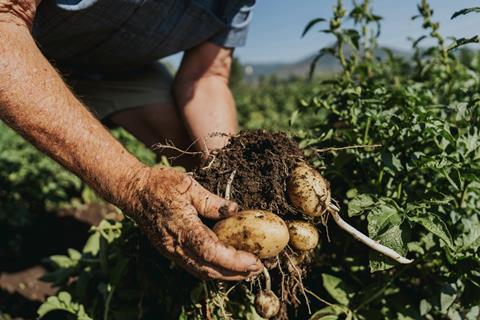
Sustainability, resilience and responsible production have become strategic priorities across the fresh produce sector. Companies throughout the value chain have made commitments, set targets, and developed ambitious roadmaps. But as expectations continue to rise, success is increasingly measured by something else: implementation.
Today, stakeholders are asking different questions. What has changed? What impact can be demonstrated? What lessons have been learned along the way?
Across the industry, organisations are discovering that sustainability is no longer primarily about setting ambitions. It is about translating strategy into practical action.
One area where this shift is particularly visible is greenhouse gas reduction. Stakeholders are all under pressure to reduce emissions, yet meaningful progress rarely comes from isolated efforts. Instead, organisations increasingly depend on reliable data, shared benchmarks and collaboration across supply chains. The challenge is no longer understanding the problem. It is identifying practical measures that can be implemented at scale and demonstrating their effectiveness.
A similar development can be seen in supply chain resilience. Climate-related disruptions, market volatility, and evolving regulatory requirements are forcing businesses to take a more proactive approach to risk management.
“Certification is a necessary foundation. But it is not sufficient on its own when it comes to sustainability risks,” says Wouter Conradie, CCO at Agraya. “The lever lies with retailers choosing to drive collaboration strategically.”

At the same time, sustainability reporting frameworks such as the Corporate Sustainability Reporting Directive are increasing demand for sustainability data and continuous improvement throughout value chains. While many producers are not directly subject to reporting requirements, they are increasingly affected by the expectations of customers and supply chain partners. This is accelerating the adoption of more holistic approaches to sustainability and resilience.
Responsible production represents a third area where execution matters. ESG expectations continue to evolve, requiring organisations to embed sustainability more deeply into daily operations. This means continually improving how natural resources are managed, protecting ecosystems, and supporting biodiversity. It also means ensuring respect for workers’ rights and creating working environments that contribute to the wellbeing of rural communities.
What connects all these challenges is the need for practical implementation.
The fresh produce industry does not lack ambition. What it needs are opportunities to exchange experiences, learn from successful approaches, and identify solutions that can deliver measurable outcomes in the real world.
That is the idea behind the Solution Hub at the Agraya Summit, taking place on 27–29 October in Bologna. Designed as an interactive space for learning and exchange, the Solution Hub will bring together technical experts and industry stakeholders to explore practical approaches to sustainability, resilience, and responsible production. Attendees will have the opportunity to discover tools, share experiences, and gain insights into how others are turning commitments into action.
The future will not be shaped by the organisations making the strongest sustainability statements, but by those that successfully execute their strategies, translate ambitions into action and collaborate with others to drive meaningful change across the fresh produce value chain.