As Gen Z consumers prioritise sustainability alongside health and wellness, the grapefruit category is repositioning itself for a new era
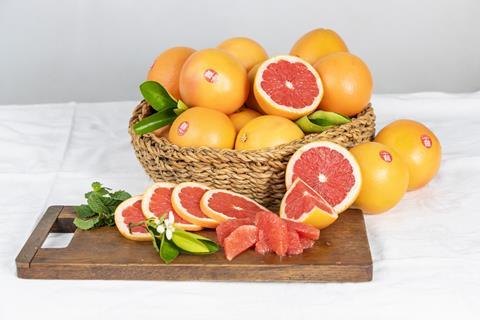
With the world recently marking Sustainable Gastronomy Day, conversations around food are extending beyond taste and nutrition.
Consumers are paying closer attention to where their food comes from and the impact it has on people and the planet.
Older generations are also renewing their love for grapefruit, and they have found in South African SummerStar Ruby the perfect partner.
Fruitnet recently discussed the subject of category development with Barry Landman, chairman of the Grapefruit Variety Focus Group of the Citrus Growers Association of Southern Africa (CGA).
Fruit development is now a generation game, and nowhere is this shift more evident than among Gen Z, those born between 1997 and 2012.
‘Before Gen Z the Millennials helped propel foods like avocados into the mainstream through a wellness culture and social media,” said Landman.
”Gen Z is bringing a new set of priorities to the table. Sustainability, affordability, authenticity and ethical production are increasingly shaping purchasing decisions alongside health and wellness.”
This is where the grapefruit category is now heading – aligning with the expectations of Gen Z.
For those of us who have followed the grapefruit journey for more than 40 years, it was very much a matter of ‘listening to your mother’ when it came to breakfast fruit.
There was only white grapefruit, Marsh, and this became known as the ‘Old people’s’ fruit.
“For those of us working in agriculture, this raises an important question: what can the changing values of consumers teach us about how we position fresh produce?” asked Landman.
We have known Star Ruby grapefruit, the new category banner which is now SummerStar Ruby Grapefruit, for more than a decade.
On a road trip through Kruger Park we met Maarten Venter of Komati at Malelane Gate. He gave us a few cartons of this wonderful red blushed fruit. “They are the best in the world,” Venter said.
There we were with our friends around the breakfast table at Berg ‘N Dal Camp – and we were sold on the wonderful, sweet taste of the fruit.
“Avocados became popular because of a combination of wellness trends, social media, brunch culture and aspirational lifestyles,” Landman noted.
“Their versatility also played an important role, as they could be used in different meals and snacks throughout the day.
”They weren’t just a food product, they reflected how a generation wanted to be seen in the world,” he explained.
Gen Z shares many of those interests, but their priorities are broader.
Health and wellness remain important but growing up in a world shaped by climate concerns, economic uncertainty and constant digital connectivity has influenced how they think about consumption.
These new generations are expected to continue to change the fruit world.
“At a time when younger consumers are becoming more mindful of the environmental impact of their purchasing decisions, these attributes matter,” said Landman.
”They are thinking about reducing waste, maximising the use of what they buy, and supporting food systems that are produced responsibly.
“This creates an opportunity for categories that may not traditionally have been associated with younger consumers,” he added.
”The challenge is not to change the product, but to change the conversation around it.”