Yelloway claims significant breakthrough with removal of sterility roadblock in Cavendish propagation process
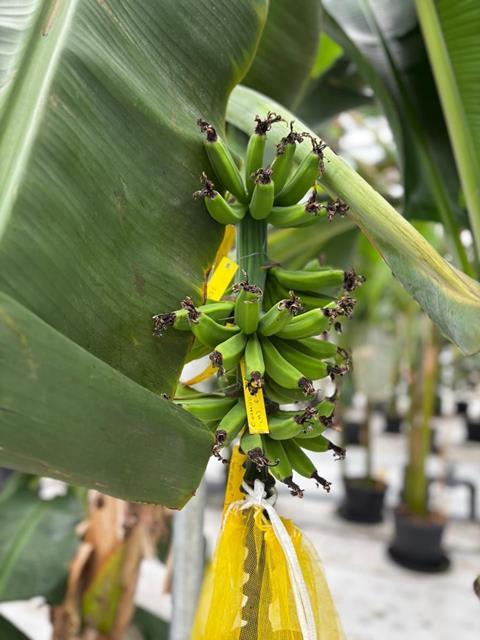
A scientific breakthrough could pave the way for a new generation of disease-resistant Cavendish bananas, after researchers overcame a reproductive barrier that has long restricted efforts to breed improved versions of the world’s predominant commercial variety.
Yelloway, a partnership between Chiquita and plant-breeding company KeyGene, announced it had successfully developed a fully fertile Cavendish breeding line, something it said would allow breeders to use the variety’s genetics in conventional breeding rather than relying on extremely rare seeds produced by what is a largely sterile crop.
The development could have significant implications for the international banana business, which depends heavily on Cavendish and faces growing pressure from diseases including Fusarium wilt and black Sigatoka, as well as heat and drought.
By making fertile Cavendish plants available for breeding, Yelloway said researchers would be better equipped to combine disease resistance and climate tolerance with the yield, appearance, shelf-life and eating qualities required by growers, exporters, retailers and consumers.
The breakthrough could also potentially accelerate the development of commercially viable alternatives without abandoning the characteristics on which today’s global supply chain is built, it suggested.
Barrier broken
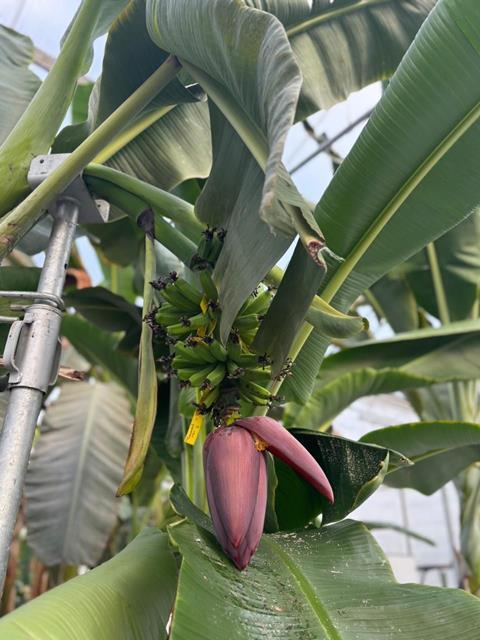
Cavendish is a ‘triploid’ banana, which means it has three sets of chromosomes instead of two. Typically, this makes it sterile, but the latest advance promises to break that long-standing scientific barrier.
“For years, the only way to access its genetics was to perform thousands of manual crosses in the hope that just one or two seeds would result,” said Fernando García-Bastidas, Yelloway’s head of banana breeding.
“Now, however, decades of breeding experience, a deeper scientific understanding of the factors driving banana fertility, and the application of advanced information technology come together to produce entirely natural Cavendish plants that, while retaining 100 per cent Cavendish genetics, are also fertile.”
As it seeks to develop new, commercially viable varieties that can stand up to disease and climate pressures, Yelloway said it would target seedless, easily peelable varieties that ripen from green to yellow and taste the same as – or better than – the bananas most people buy currently.